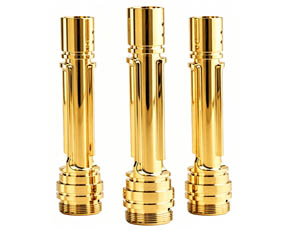
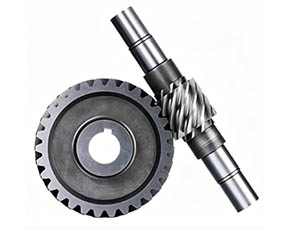
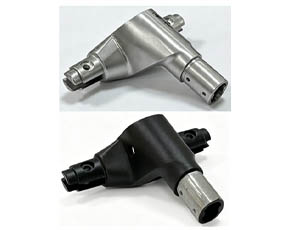
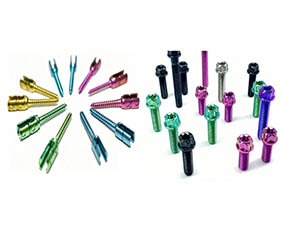
| Core Technology | Key Technical Processing Points | Typical Applications |
|---|---|---|
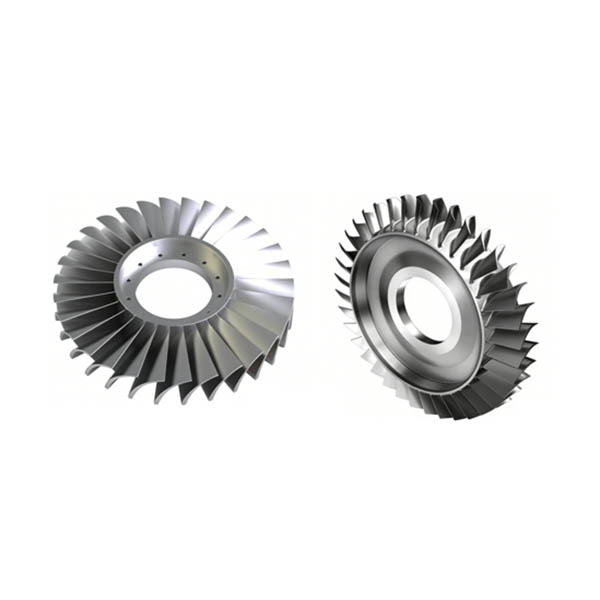
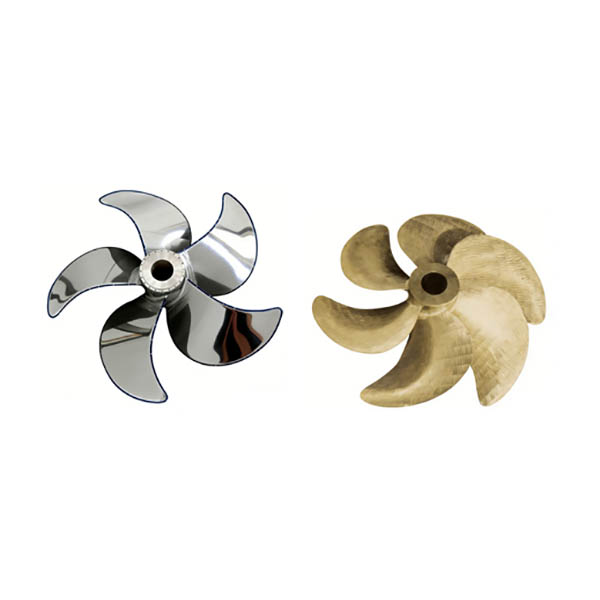
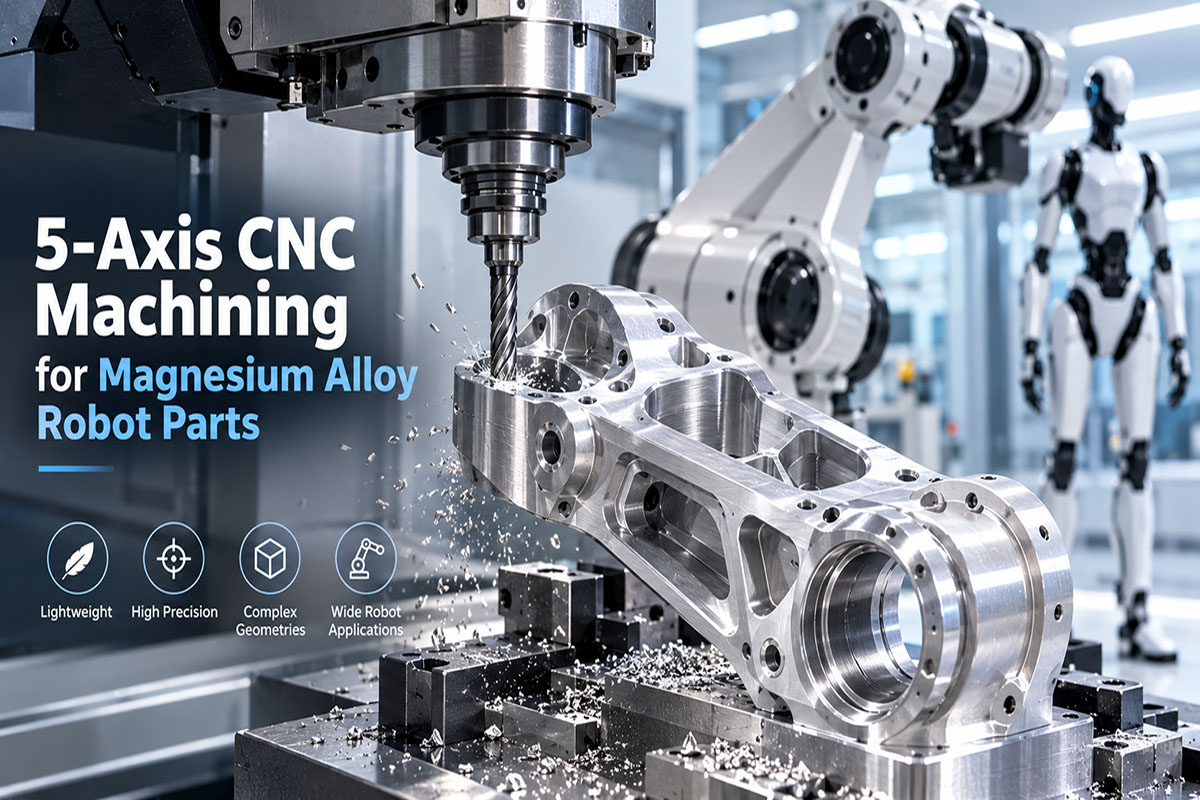
| Multi-axis Linkage Machining Technology | 1. Axis System Configuration: X/Y/Z/B/C 5-axis linkage with RTCP (Rotation Tool Center Point) function; 2. Motion Control: Multi-axis interpolation, synchronous control, coordinate transformation; 3. Process Optimization: Tool path simulation, interference checking, adaptive adjustment of cutting parameters | Aero-engine blisks, impellers, complex curved surface molds |
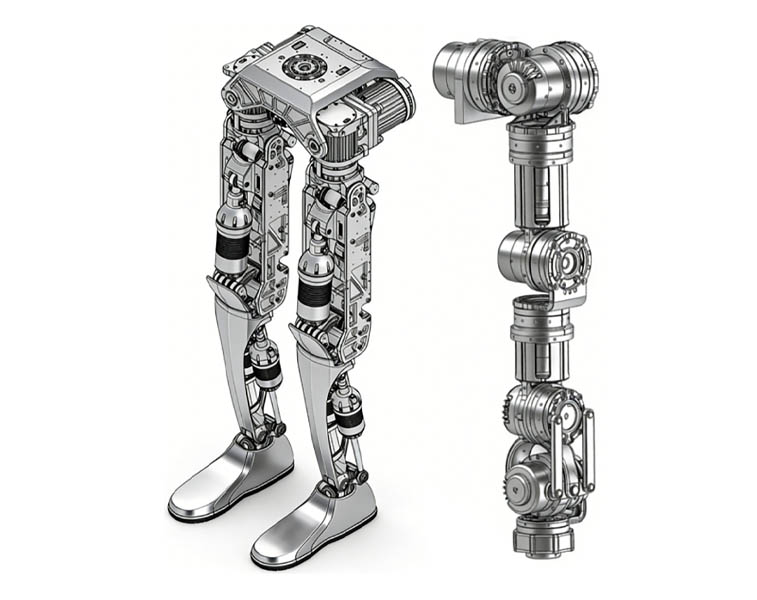
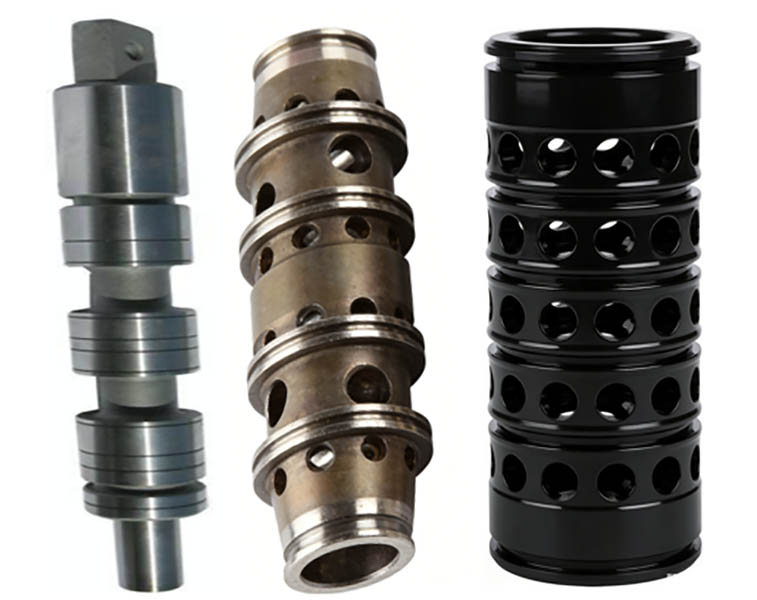
| Turn-Mill Complex Part Machining Technology | 1. Process Integration: Merging the full process of turning / milling / drilling / boring / gear hobbing; 2. Fixture Optimization: Dual spindle handover, one-time clamping for front & back machining; 3. Precision Control: In-process inspection, thermal deformation compensation, closed-loop tool compensation | Aerospace engine casings, robotic joints, hydraulic valve bodies |
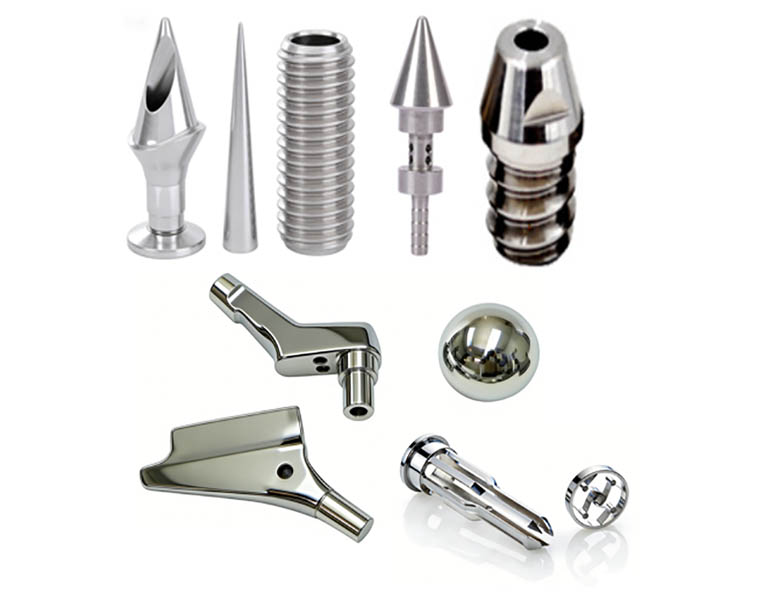
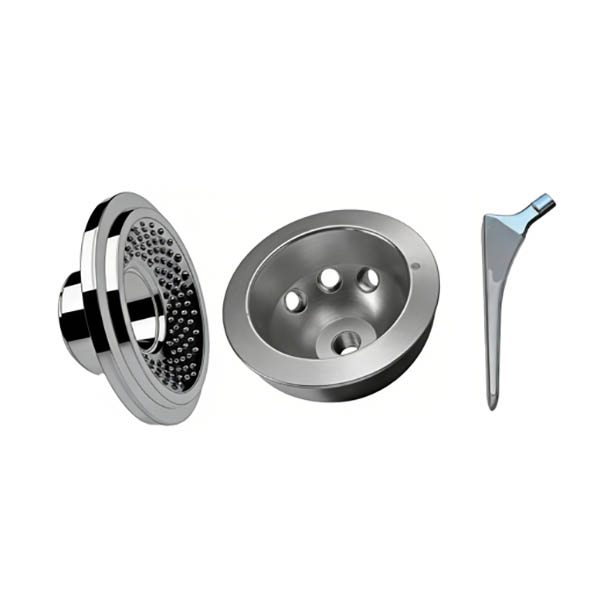
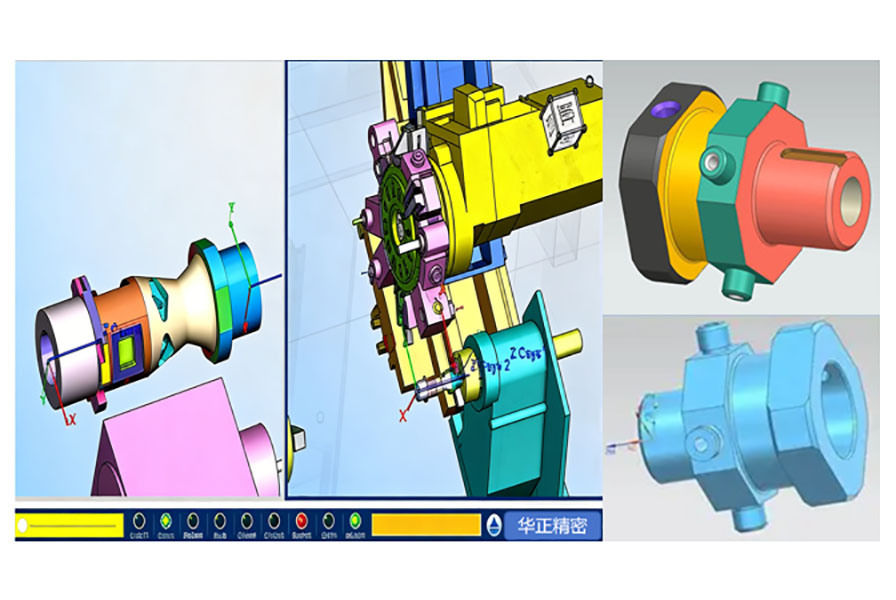
| Special-shaped Part Machining Technology | 1. Non-circular Machining: C-axis indexing + B-axis swinging to realize non-rotating profile cutting; 2. Vibration Reduction Optimization: Optimizing cutting parameters and tools for thin-walled / sharp-angle structures; 3. Programming Simulation: CAM-generated special-shaped tool paths with Vericut interference verification | Eccentric shafts, special-shaped cams, customized orthopedic implants |
| Processing Stage / Grade | Rough Turn-Mill Compound | Semi-Finish Turn-Mill Compound | Finish Turn-Mill Compound | Ultra-Precision Turn-Mill Compound |
|---|---|---|---|---|
| Processing Principle | In turn-mill compound machining, the tool/workpiece rotation forms the primary cutting motion. Combined with multi-axis linkage (X/Y/Z/C/B axes) and a power head, all excess metal is removed quickly from the blank in a single setup, integrating turning, milling, drilling, tapping and other processes. Complex features such as profiles, non-circular cross-sections, end faces, and bores are machined through synchronized feed motion. | Centered on medium-precision compound machining, it receives semi-finished parts after rough turn-milling. It completes secondary features (such as shallow grooves, small holes, chamfers) through multi-axis precise positioning and power head fine cutting, leaving machining allowances for the subsequent finish turn-milling process. It can also serve as a pre-processing step for high-precision grinding or other finishing operations. | Adopting very small cutting depths, high feed rates and high cutting speeds, relying on 5-axis linkage high-precision control and tool paths, it performs final or finish machining on key surfaces, profiles and precision holes of parts. Through C-axis indexing and high-precision cutting with the power head, it ensures positional accuracy and surface quality. | With cutting depth and feed kept extremely small, cutting speeds reach 150-2000 m/min. Using super-hard tools (CBN, diamond) and high-rigidity high-precision machine tools, combined with the multi-axis linkage characteristics of turn-mill compound, it performs finishing on difficult-to-cut materials, precision cavities/curved surfaces and micro features, replacing grinding to achieve ultra-high-precision machining. |
| Core Process Features | 1. Prioritizes maximum cutting depth and feed rate to pursue processing efficiency, quickly removing most of the material allowance; 2. The power head uses large-diameter tools with small spindle runout to reduce part deformation; 3. Turning is dominant, milling is secondary; prioritizes completion of outer circles, end faces and large bore basic turning operations; 4. The rake angle/clearance angle/approach angle of the tool adopts large values to enhance cutting strength and maximize cutting volume. | 1. Balances cutting depth and feed with moderate cutting speed, taking both precision and efficiency into account; 2. High process integration enables completion of compound features such as grooves, holes, keyways and polygons; 3. Uses medium-precision tools to balance tool life and surface quality; 4. Can be used as a pre-process for subsequent finish machining, leaving a 0.1-0.5 mm machining allowance. | 1. Extremely small cutting depth and feed, cutting speed ≥ 100 m/min; end mills are mainly used, with the power head performing precise drilling/boring; 2. Tools use large rake angles, large clearance angles and positive cutting edges to improve surface finish; 3. Multi-axis linkage precision compensation ensures coaxiality, perpendicularity and other positional tolerances; 4. Can complete compound surfaces, precision gears, hydraulic spools and other high-precision feature machining. | 1. Optimized cutting parameters with minimal cutting depth/feed, cutting speed at 150-2000 m/min; 2. Uses CBN, diamond and other super-hard tools, matched with difficult-to-cut materials (titanium alloys, high-temperature alloys, hardened steel); 3. Relies on high machine rigidity and precision to achieve micron-level dimensional accuracy and mirror-like surface finishes; 4. Gives full play to the characteristics of turn-mill compound motion, capable of machining complex micro features such as non-circular profiles, micro threads and precision shaped holes. |
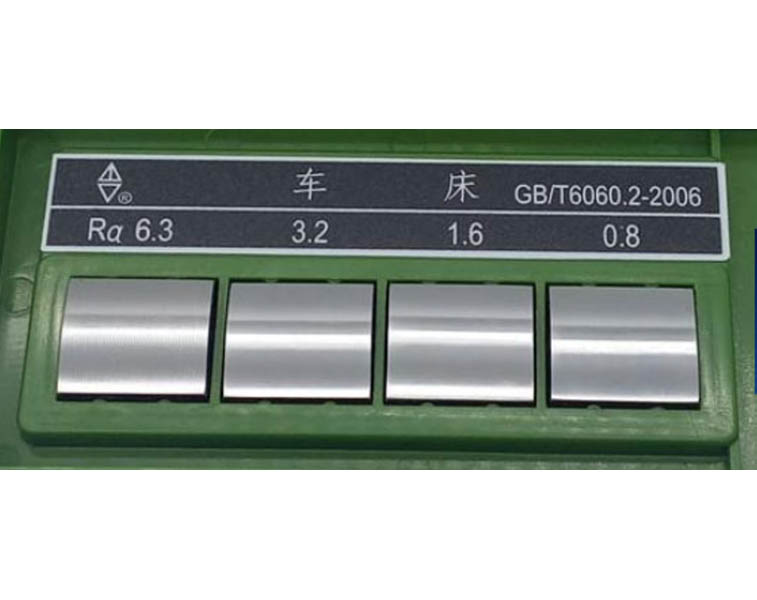
| Machining Accuracy & Surface Quality | Machining accuracy reaches IT10~IT13, surface roughness Ra 50~12.5 μm. Focuses on removing material allowance and forming basic features with relatively low precision requirements. | Machining accuracy reaches IT9~IT10, surface roughness Ra 6.3~3.2 μm. Feature machining accuracy is significantly improved, and the surface quality meets the requirements of medium-precision parts. | Machining accuracy reaches IT7~IT8, surface roughness Ra 3.2~0.8 μm. Key dimensions and form/position tolerances meet standards, and the surface quality meets the functional requirements of precision core parts. | Machining accuracy reaches IT6~IT7, surface roughness Ra 0.8~0.2 μm. Equivalent to precision cylindrical grinding in general; for some difficult-to-cut materials (e.g., titanium alloys), the machining effect is better than grinding. |
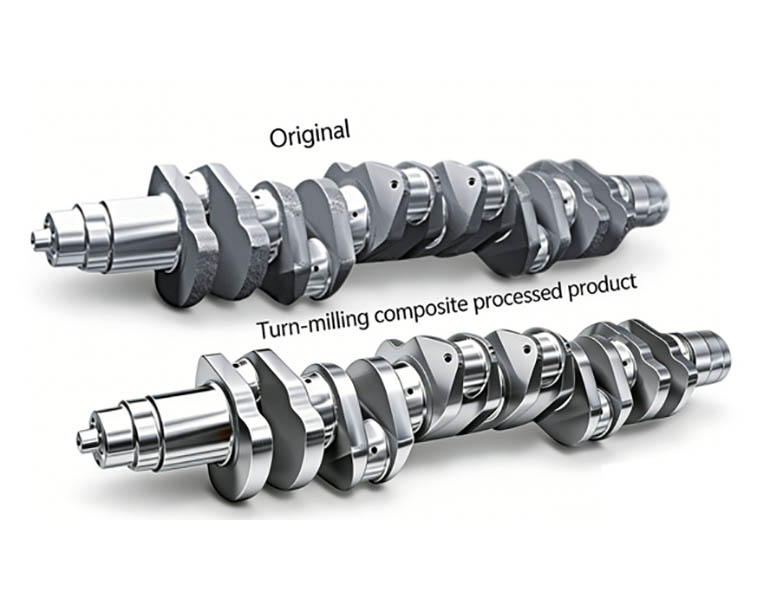
| Typical Application Areas | 1. Aerospace: Rough machining of titanium alloys/superalloys to remove large allowances, completing outer circles, end faces and large bore basic turning operations; 2. Automotive manufacturing: Rough turning of engine crankshafts and camshafts, removing most of the material allowance in batches; 3. Medical devices: Rough turning of medical stainless steel/titanium alloy blanks to form basic contours; 4. General machinery: Rough machining of shaft and disk parts to complete basic forming. | 1. Aerospace: Semi-finish machining of machine cases and impeller blanks, completing shallow grooves, small holes and chamfer features; 2. Automotive manufacturing: Semi-finish machining of transmission gears and steering knuckles, completing keyways, pin holes and basic contours; 3. Medical devices: Semi-finish machining of bone screws and implant blanks, forming threads and basic contours; 4. Microelectronics: Semi-finish machining of micro shafts and connectors, completing secondary structure forming. | 1. Aerospace: Final machining of aero-engine blades and precision classes, completing profiles, tenons and holes; 2. Automotive manufacturing: Finish machining of new energy motor shafts and hydraulic spools, achieving complex grooves and high-precision threads; 3. Medical devices: Finish machining of surgical tools and endoscopes, ensuring precision of mating surfaces and positional tolerances; 4. Mold manufacturing: Finish machining of mold cavities and cores, completing complex profile forming. | 1. Aerospace: Ultra-precision machining of superalloy parts such as nozzles and seal rings; 2. Medical devices: Ultra-precision machining of orthopedic implants (joints, screws), ensuring biocompatibility and dimensional accuracy; 3. Precision optics: Ultra-precision machining of optical supports and micro-optical components; 4. Semiconductors: Ultra-precision machining of chip carriers and precision nozzles, replacing traditional grinding processes. |
| Tool & Equipment Requirements | 1. Tools: Ordinary carbide turning tools, large-diameter end mills and drills are mainly used, focusing on durability; 2. Equipment: Dual-spindle/single-spindle turn-mill compound machines, power head speed 6000-10000 rpm, with basic 5-axis linkage capability. | 1. Tools: Carbide composite tools (turn-mill combination) and coated tools are mainly used, balancing precision and tool life; 2. Equipment: Medium-precision turn-mill compound machines, power head speed 8000-15000 rpm, with basic optical precision compensation. | 1. Tools: High-precision carbide tools and coated tools, mainly end mills; 2. Equipment: High-rigidity 5-axis turn-mill compound machines with RTCP tool center point compensation, thermal deformation control, power head speed 10000-18000 rpm. | 1. Tools: CBN, diamond and other super-hard tools, mainly micro-tools; 2. Equipment: Ultra-precision turn-mill compound machines with spindle speeds up to 30000 rpm, equipped with micron-level precision detection and closed-loop compensation systems. |
| Core Advantages | 1. Greatly shortens blank forming cycle, with processing efficiency improved by over 50% compared to traditional single processes; 2. Completes all basic turning operations in one setup, reducing clamping times and deformation risks; 3. Suitable for large-volume blank machining, reducing equipment investment costs. | 1. Integrates multi-feature machining, reducing part turnover and fixturing, improving processing efficiency; 2. Precisely leaves machining allowances to ensure subsequent finish machining accuracy and stability; 3. Adaptable to multi-variety, small-batch complex part machining, with strong flexible production capacity. | 1. Completes all precision features in one setup, eliminating multiple clamping errors and improving positional accuracy by 30%-50%; 2. Integrates turning, milling, drilling and tapping processes, shortening the processing cycle by 60%-80%; 3. Ensures consistent precision and quality of complex parts, meeting high-precision manufacturing requirements. | 1. Achieves ultra-high-precision and ultra-smooth surface finishing, replacing traditional grinding and reducing process flow; 2. Super-hard tools are matched with difficult-to-cut materials, solving the problems of low efficiency and poor surface quality in finish machining; 3. Processes micro-complex features, expanding the boundaries of precision manufacturing, suitable for high-end medical and aerospace applications. |
| Processing Grade / Part Type | Conventional Turn-Mill Compound (Shaft / Disc Rotary Parts) | Special-Shaped Part Turn-Mill Compound | Complex Structural Part Turn-Mill Compound | Multi-Axis Linkage Turn-Mill Compound |
|---|---|---|---|---|
| Processing Principle | With workpiece rotation as the primary cutting motion, it integrates turning, milling, drilling, tapping and other processes. All machining of rotary surfaces (outer/inner circles, end faces), simple grooves, threads and other features is completed in a single setup. Full-process machining of conventional rotary parts is realized through X/Y/Z axis linkage. | Based on turn-mill compound multi-axis linkage (X/Y/Z/C/B axes) and power head, it breaks the limits of rotary machining. Non-circular profiles, eccentric structures, special-shaped curves, inclined holes, cross grooves and other asymmetric features are completed in one clamping. Special-shaped contour forming and finishing are realized through C-axis indexing and B-axis swing motion. | Integrates turning, milling, drilling, tapping, boring, thread cutting, milling and other multi-processes. For multi-feature, multi-cavity, multi-datum complex parts, through dual spindle / dual tool post coordination and multi-axis linkage, all features from blank to finished part are completed in one clamping, eliminating cumulative errors from multiple setups. | Based on 5-axis and above linkage (X/Y/Z/B/C axes) + RTCP tool center point control, it realizes the arbitrary spatial attitude relative motion between the tool and workpiece. For complex curved surfaces, impeller/blade structures, inter-blade runners and other complex structures, high-precision continuous cutting is realized through multi-axis compensation. |
| Core Process Features | 1. Turning is dominant, milling is auxiliary. Prioritize completing rotary surfaces first, then use the power head to complete simple features such as side grooves and threads; 2. Cutting parameters are matched to conventional steel/aluminum parts to remove most of the machining allowance and stabilize the part size; 3. Process chain is shortened, with 2.5-axis / 3-axis linkage suitable for large batches of disc/shaft parts; 4. One-time completion of turning + milling + drilling + tapping full process, reducing clamping times. | 1. Multi-axis linkage as the core: B-axis swing + C-axis indexing to realize non-rotating feature machining, suitable for non-circular, eccentric and special-shaped contours; 2. Cutting parameters are optimized for special-shaped structures to avoid chattering/vibration at thin-walled/sharp corners; 3. 3rd-party CAM software generates special-shaped tool paths, verified by simulation to avoid interference and collision; 4. One-time clamping completes all special-shaped features, solving positioning errors in traditional multi-machine processing. | 1. High process integration: covers turning, milling, drilling, tapping, boring, chamfering, deburring and all processes; 2. Dual spindle / dual tool post synchronous machining, realizing front/back and internal/external feature processing at the same time, greatly shortening the processing cycle; 3. In-process inspection + closed-loop compensation ensures multi-position and multi-datum form/position accuracy; 4. Suitable for small-batch, multi-variety and customized complex parts, with strong flexible production capacity. | 1. Full-axis linkage + RTCP tool center point control, with automatic tool length/radius compensation to ensure the tool tip is always on the processing point; 2. High-precision interpolation, suitable for difficult-to-cut materials (titanium alloys/high-temperature alloys) and complex curved surfaces; 3. Multi-axis compensation realizes continuous machining of complex cavities, undercuts and free-form surfaces; 4. Requires professional 5-axis CAM programming and simulation, with high requirements for tools, processes and equipment. |
| Machining Accuracy & Surface Quality | Rough machining: IT10~IT13, Ra 50~12.5μm; Semi-finish machining: IT9~IT10, Ra 6.3~3.2μm; Finish machining: IT7~IT8, Ra 3.2~0.8μm; Precision machining: IT6~IT7, Ra 0.8~0.2μm. | Rough machining: IT10~IT11, Ra 25~12.5μm; Semi-finish machining: IT8~IT9, Ra 3.2~1.6μm; Finish machining: IT7~IT8, Ra 1.6~0.4μm; Special-shaped contour position accuracy (coaxiality/positionality): up to 0.01~0.02mm. | Comprehensive multi-feature accuracy: IT6~IT8; Key features (hole systems/form and position): IT6~IT7; Surface roughness: Ra 1.6~0.2μm; Form and position accuracy (perpendicularity/parallelism/positionality): up to 0.005~0.01mm; Consistent batch accuracy eliminates cumulative errors from multiple processes. | Complex curved surface accuracy: IT5~IT7; Profile tolerance: ±0.005mm; Surface roughness: Ra 0.8~0.1μm (can reach mirror finish for ultra-precision machining); Inter-blade position accuracy can reach sub-micron level, meeting the requirements of aerospace high-end parts. |
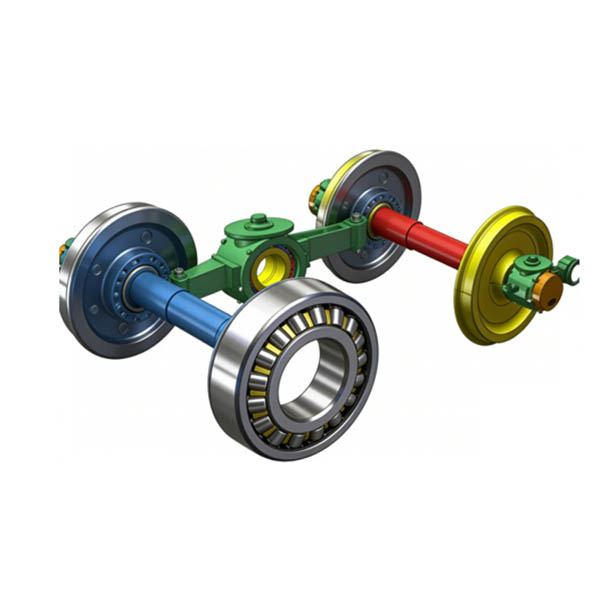
| Typical Application Fields & Parts | 1. Automotive manufacturing: engine crankshafts, camshafts, gearbox shafts, new energy motor shafts; 2. General machinery: transmission shafts, flanges, bearing seats, hydraulic valve bodies; 3. 3C electronics: micro shafts, connectors, camera module components; 4. Medical devices: general surgical instruments, standard screws. | 1. Aerospace: eccentric shafts, special-shaped frames, non-circular cross-section structural parts; 2. Mold manufacturing: special-shaped cores, shaped cavity molds; 3. Construction machinery: eccentric shafts, shaped cams, non-circular gears; 4. Medical devices: orthopedic special-shaped implants, dental personalized abutments. | 1. Aerospace: aeroengine casings, landing gear structural parts, hydraulic pipeline joints; 2. Energy equipment: oil and gas exploration bodies, steam turbine rotors, pump parts; 3. High-end equipment: robot knuckles, reducer housings, precision gearboxes; 4. Medical devices: orthopedic surgical robots, artificial joint parts. | 1. Aerospace: aeroengine blades/vanes, integral blisks, turbine disks; 2. Energy equipment: gas turbine blades, compressor impellers; 3. Mold manufacturing: complex curved surface molds, high-gloss mold cavities; 4. Precision optics: optical elements, precision lens molds. |
| Tool & Equipment Requirements | 1. Tools: Ordinary carbide turning tools, standard drills/taps, coated tools suitable for mass production; 2. Equipment: 3+2 axis turn-mill compound machines (X/Y/Z + power head), dual spindle / single spindle, power head speed 8000-12000rpm. | 1. Tools: Non-standard forming tools, solid carbide end mills, special-shaped cutting tools suitable for special profiles; 2. Equipment: 4+5 axis turn-mill compound machines (with B-axis swing), high-rigidity structure, equipped with linear grating closed-loop compensation. | 1. Tools: Turn-mill composite tools, multi-edge high-efficiency tools, super-hard tools (CBN/diamond); 2. Equipment: 5-axis turn-mill compound machines, dual spindle + dual tool post, automatic tool changer, in-process inspection module. | 1. Tools: Solid carbide tools, diamond/CBN super-hard tools, micro-precision tools; 2. Equipment: High-end 5-axis linkage turn-mill compound machines with RTCP function, thermal stability control, high-speed spindle (≥20000rpm), professional 5-axis CNC systems (Siemens/FANUC). |
| Core Advantages & Technical Value | 1. Completes full process in one clamping, processing cycle reduced by 40%-60%, production efficiency greatly improved; 2. Eliminates cumulative errors from multiple processes, significantly improving the positional accuracy of shaft/disc parts; 3. Reduces equipment investment and floor space, lowering production costs; 4. Adaptable to high-efficiency production of large-batch, standardized parts. | 1. Breaks the limits of traditional lathe processing, realizing one-time forming of special-shaped parts, solving the precision problems of multi-machine processing; 2. Flexible production capacity, suitable for customized and small-batch special-shaped parts processing; 3. Reduces part turnover, shortens delivery cycle and improves production efficiency; 4. Reduces the process difficulty and labor cost of special-shaped part processing. | 1. Full process integration, processing cycle reduced by 60%-80%, greatly improving complex part production efficiency; 2. One clamping ensures the precision of multiple positions and multiple datums, with consistent product quality; 3. Adaptable to the processing needs of complex parts for high-end equipment, enhancing core product competitiveness; 4. Reduces tooling fixture investment and lowers production management costs. | 1. Realizes high-precision machining of complex curved surfaces and spatial structures, meeting the needs of high-end fields such as aerospace; 2. Replaces traditional multi-process and multi-machine processing, greatly shortening R&D and production cycles; 3. Improves the processing efficiency and surface quality of difficult-to-cut materials, breaking through traditional process bottlenecks; 4. Represents advanced manufacturing technology, supporting the localization of high-end equipment. |

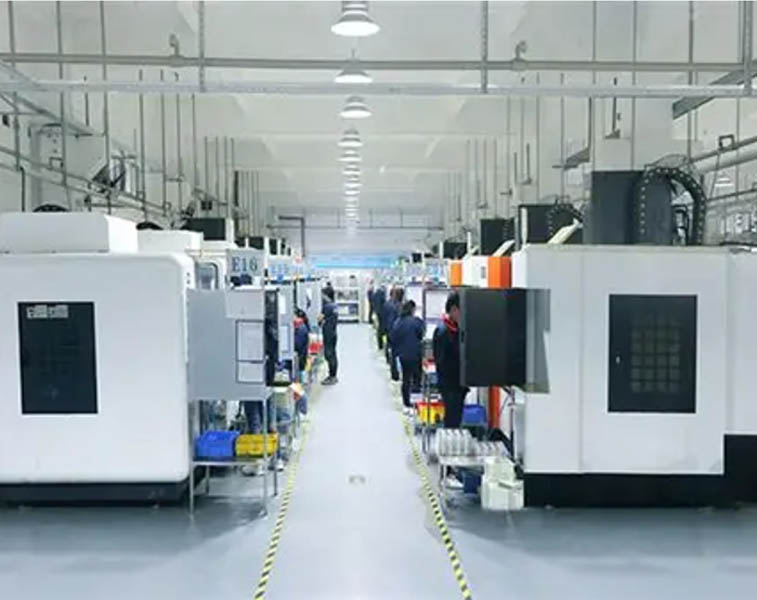
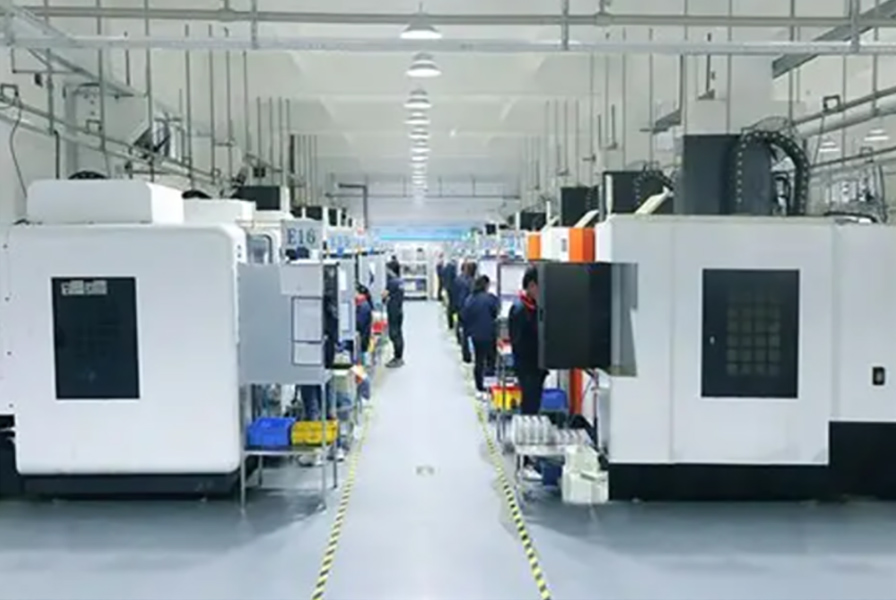
China features complete machining supply chains, mature CNC milling technology, rich material options and strong multi-axis processing capability. It balances high precision, stable quality, competitive cost and fast lead time, perfectly serving prototype, small batch and mass production for global industries.
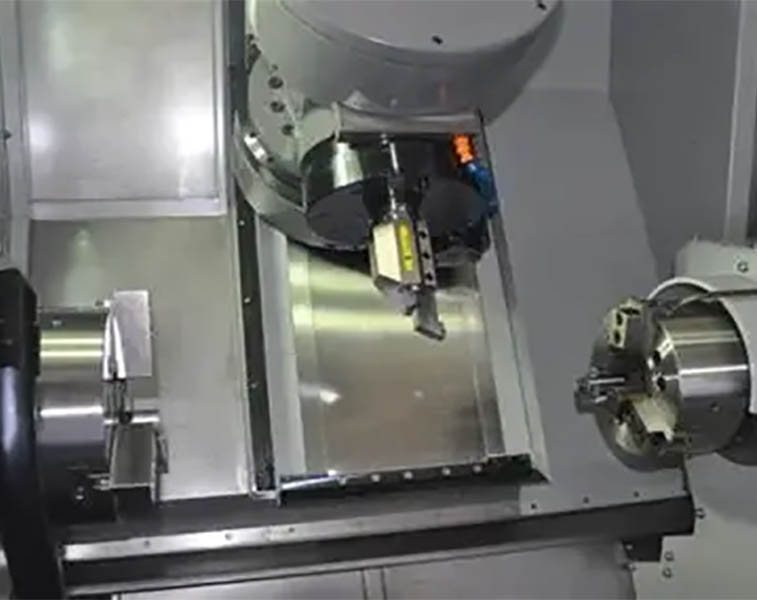
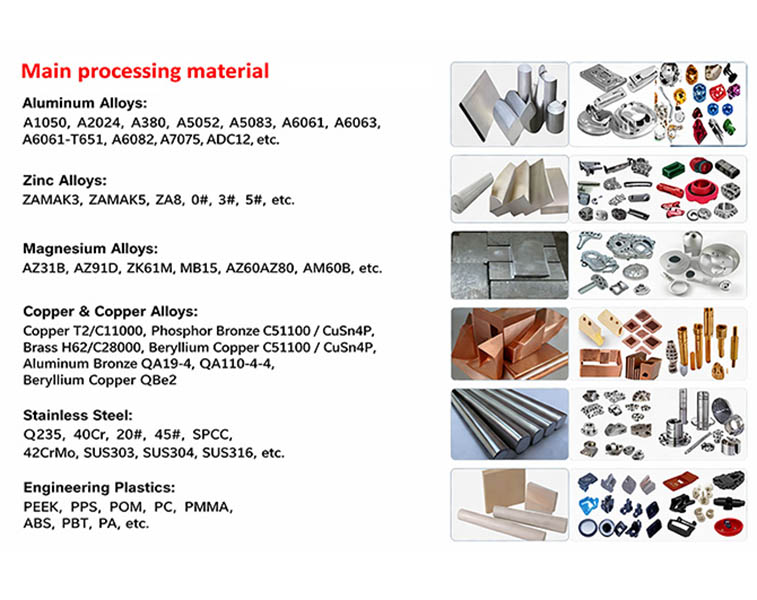
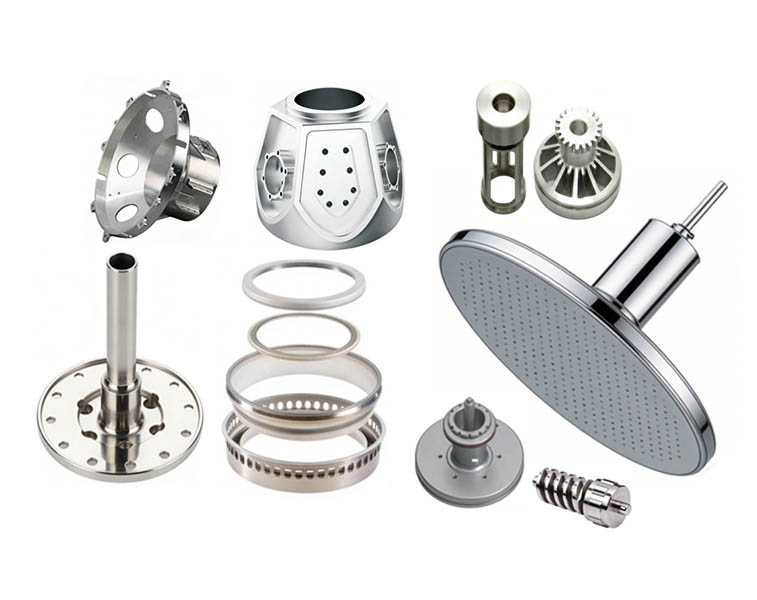
Huazheng adopts turn-mill compound & multi-axis milling, supports diversified metal and plastic materials. One clamping completes complex parts with high precision, strict tolerance and fine surface finish. Direct factory supply, strong capacity, fast delivery and full surface treatment solutions save your cost and time.
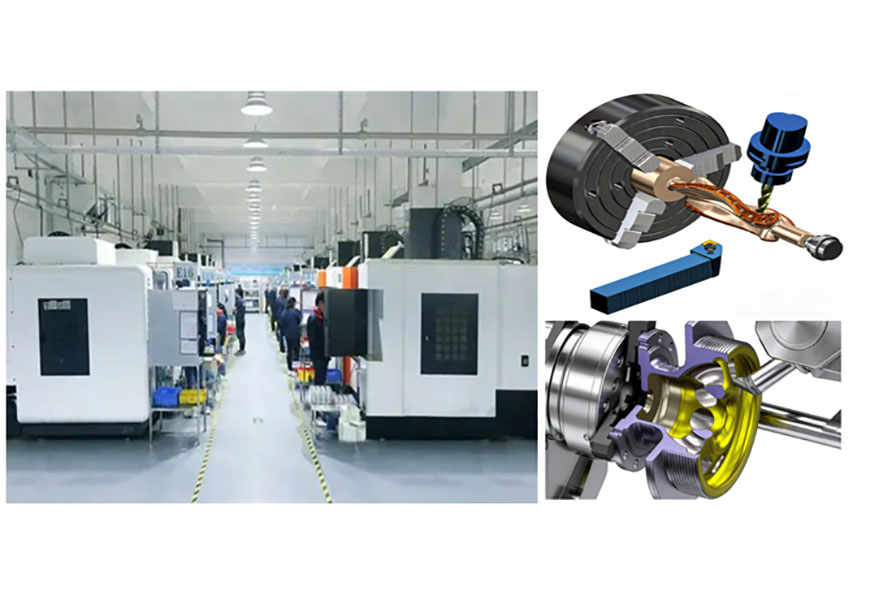
Equipped with 1 unit, with a travel of 700 × 500 × 1000 mm and a machining accuracy of up to 0.01 mm, suitable for multi-process integrated machining of complex rotary parts.
Equipped with 4 units, with a travel of 1000 × 800 × 3000 mm and a machining accuracy of up to 0.008 mm, suitable for high-efficiency and high-precision machining of medium-to-large shaft and disc parts.
Equipped with 1 unit, with a travel of 800 × 300 × 1200 mm and a machining accuracy of up to 0.005 mm, suitable for ultra-precision machining of complex curved surface parts requiring high tolerance.