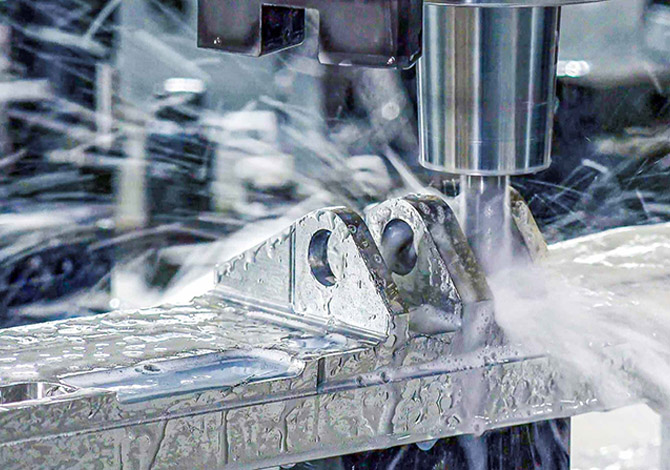


Applications of Titanium Alloys
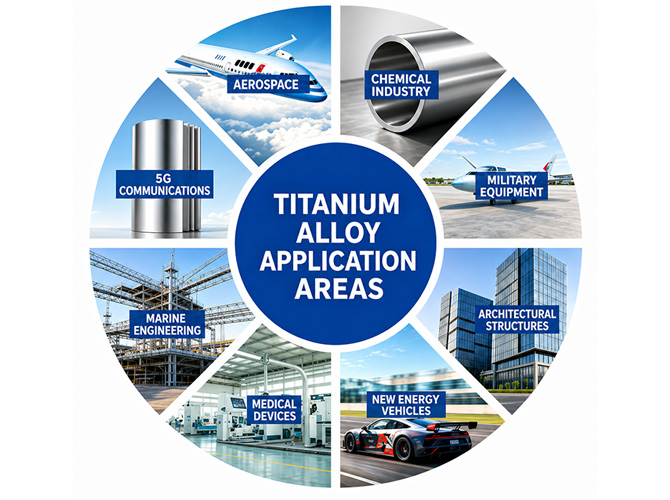
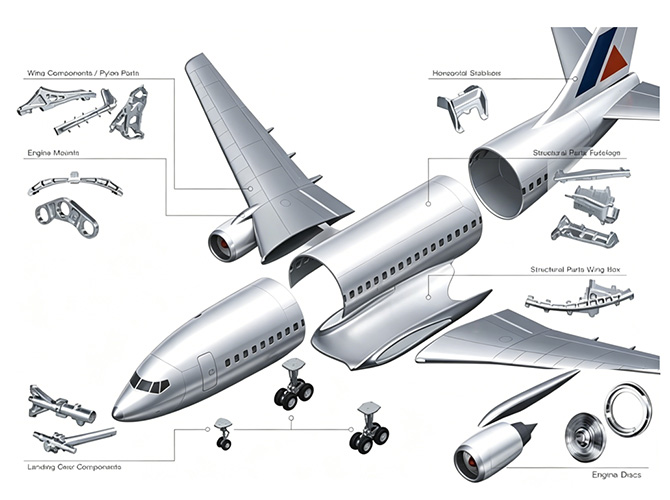
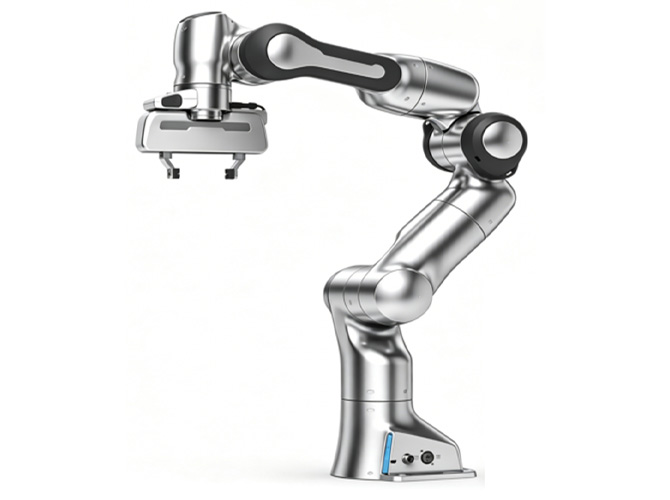
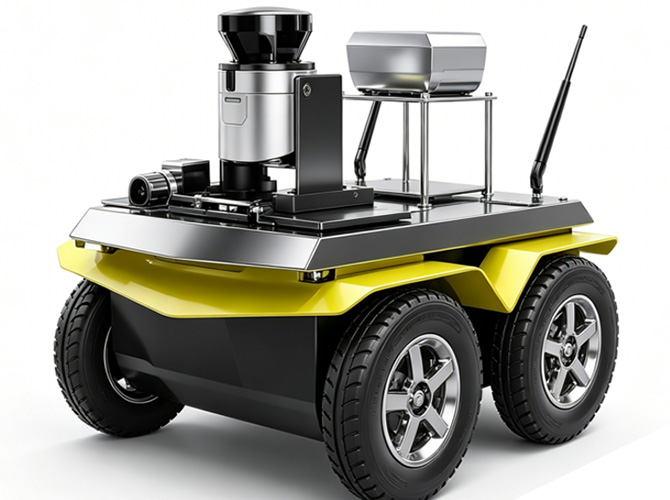
Titanium alloys are widely used in aerospace, automotive industry, 3C electronic products, low-altitude aviation, sports goods, medical devices, building materials, communication equipment and other fields.
CNC Machining Services
Custom Injection Molding Services
Custom Sheet Metal Fabrication Services
Metal Mold Services
ISO 9001:2015, ISO 13485, IATF 16949:2016 Certified
Uploadyour design fles forinstant pricing, free DFM analysis.


Support formats: PDF, Word, Excel, Txt, JPG, PNG, BMP, GIF, RAR, ZIP, It is recommended to upload up to 5, and the single size must not exceed 20M.

| Material Grade | Heat Treatment Grade / Process | Stress Relief Annealing Process (Temperature / Time) | Material Technical Processing | Core Material Characteristics |
|---|---|---|---|---|
| TA1/TA2 (Commercially Pure Titanium) | Full Annealing, Stress Relief Annealing | 450-600℃ / 1-3h | Cold / Hot Forming, Welding, Passivation / Anodizing | Excellent corrosion resistance, good ductility, low strength, easy processing; common materials for chemical and medical industries |
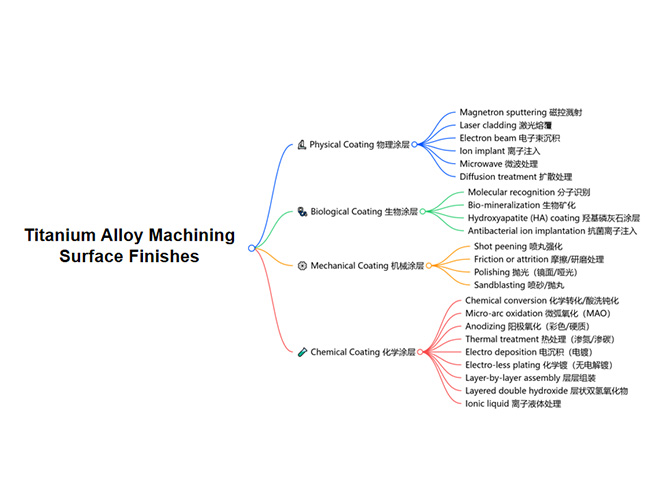
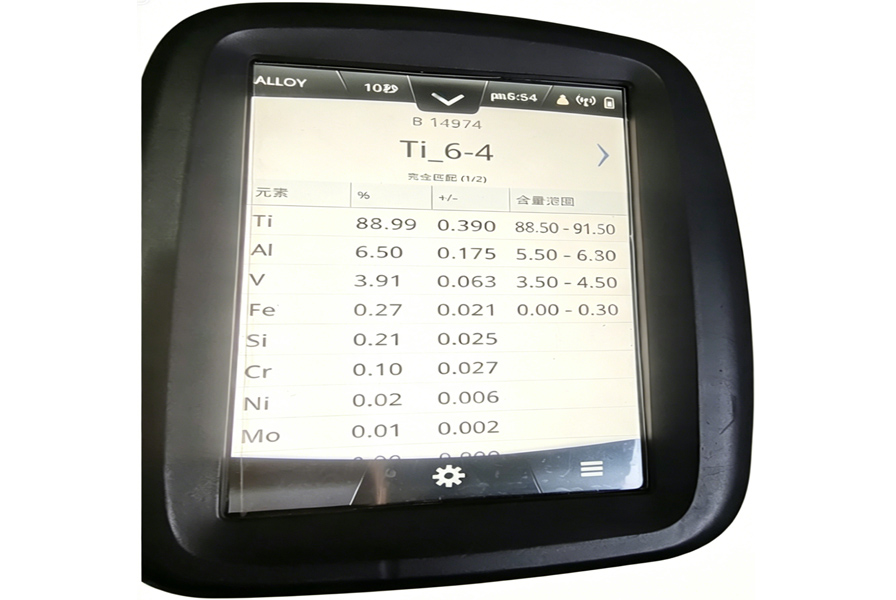
| TC4 (Ti-6Al-4V, α+β type) | Solution Treatment + Aging (STA), Stress Relief Annealing, Double Annealing | 480-650℃ / 1-4h (conventional) 890-970℃ Solution Treatment + 480-600℃ Aging | Forging, Machining, Welding, Shot Peening, Micro-Arc Oxidation | Balanced comprehensive mechanical properties, high strength and good toughness; most widely used in aerospace and medical implants |
| TA15 (Near-α type) | Double Annealing, Stress Relief Annealing | 550-650℃ / 2-4h 800-850℃ Annealing (Air Cooling) | Forging, Hot Isostatic Pressing (HIP), Vacuum Heat Treatment | High high-temperature strength, good thermal stability, excellent weldability; commonly used for aero-engine structural parts |
| TC11 (α+β type, High-Temperature Titanium Alloy) | β Zone Solution Treatment + Aging, Double Annealing | 500-650℃ / 2-4h 950-980℃ Solution Treatment + 500-600℃ Aging | β Forging, Vacuum Heat Treatment, Nitriding Treatment | Stable high-temperature performance below 500℃, good creep resistance; used for aero-engine compressor disks and blades |
| TC17 (β-type High-Strength Titanium Alloy) | Solution Treatment + Aging, β Annealing | 480-600℃ / 2-4h 800-850℃ Solution Treatment + 550-600℃ Aging | Hot Isostatic Pressing, Laser Shock Peening, PVD Coating | Ultra-high strength, high toughness, excellent fatigue resistance; used for high-strength aerospace structural parts and landing gears |
| Ti-55531 (High-Strength High-Toughness β Titanium Alloy) | Two-Stage Solution Treatment + Aging | 500-650℃ / 2-4h 800℃ Solution Treatment 1h (Water Quenching) + 550℃ Aging 8h | Isothermal Forging, Vacuum Heat Treatment, Surface Modification | High specific strength, good hardenability, suitable for large cross-section components; used for large load-bearing aerospace structural parts |
| TB5 (Metastable β-type Titanium Alloy) | Solution Treatment, Cold Deformation + Aging | 450-600℃ / 1-3h 750-800℃ Solution Treatment (Air Cooling / Water Quenching) + 450-500℃ Aging | Cold Forming, Welding, Ion Implantation | Excellent cold formability, can be cold worked at room temperature; used for aerospace sheet metal parts and elastic components |
| Titanium Alloy Performance | Performance Description |
|---|---|
| Low Density & High Specific Strength | Titanium alloy density is about 4.5 g/cm³, ~60% of steel but with specific strength far exceeding steel and aluminum alloys. It maintains high structural strength while significantly reducing component weight, making it ideal for lightweight, high-load structures. |
| Excellent Corrosion Resistance | Forms a dense, self-healing TiO₂ passivation film in air and corrosive environments, offering outstanding resistance to seawater, acids, alkalis, and chloride ions. Far superior to steel and most stainless steels in marine and chemical applications. |
| High & Stable Mechanical Properties | Retains high strength and toughness across a wide temperature range (-253℃ ~ 600℃), with excellent creep resistance at elevated temperatures. Suitable for high-temperature engine components and cryogenic equipment. |
| Outstanding Biocompatibility | Non-toxic, non-allergenic, and osseointegrative with human tissue. Widely used in medical implants (joints, dental implants) and surgical instruments, meeting strict biocompatibility requirements. |
| Excellent Fatigue & Crack Resistance | High fatigue strength and fracture toughness, with low notch sensitivity. Resists fatigue failure under cyclic loading, making it ideal for high-cycle fatigue applications like aerospace structures. |
| Good Thermal Stability & Heat Resistance | Low thermal expansion coefficient and high thermal stability. Withstands thermal cycling without significant deformation, suitable for high-temperature heat exchangers and aerospace components. |
| Non-magnetic & Good Shielding Performance | Non-magnetic material, immune to electromagnetic interference. Suitable for electronic equipment housings and components in magnetic environments. |
| High Recyclability & Environmental Friendliness | Titanium scrap can be recycled with minimal performance degradation, and the production process has low environmental impact. It is a sustainable structural material with a long service life. |
| Material Properties | Structural Features | Effect of Alloying Elements |
|---|---|---|
| 1. Low density (4.5 g/cm³) with specific strength exceeding steel and aluminum alloys, enabling significant lightweighting. 2. Excellent corrosion resistance in most corrosive media, superior to stainless steel. 3. High strength and toughness at both room and high temperatures, with stable mechanical properties. 4. Good fatigue and fracture resistance, suitable for high-cycle loading conditions. 5. Non-magnetic, non-toxic, and biocompatible. 6. Low thermal conductivity and low thermal expansion coefficient, providing good thermal stability. 7. Good formability and weldability, supporting various manufacturing processes. 8. High chemical activity at high temperatures, requiring controlled processing to avoid contamination. 9. Excellent creep resistance at elevated temperatures, suitable for long-term high-temperature service. 10. Abundant titanium resources globally, with mature recycling technology. | 1. Low density brings significant lightweight benefits, critical for aerospace, medical, and transportation equipment. 2. High specific strength meets the design requirements of lightweight and high-strength structures. 3. Excellent corrosion resistance enables long service life in harsh environments (marine, chemical). 4. High-temperature stability supports long-term use in high-temperature engine components. 5. Biocompatibility allows direct contact with human tissue, suitable for medical implants. 6. Non-magnetic property avoids electromagnetic interference, ideal for electronic and precision equipment. 7. Good weldability enables integrated forming of complex structures, improving production efficiency. 8. High fatigue resistance reduces maintenance costs for high-cycle loading components. 9. Thermal stability ensures dimensional accuracy in thermal cycling environments. 10. Recyclability aligns with green manufacturing and sustainable development requirements. | Aluminum (Al): Stabilizes the α phase, improves high-temperature strength and oxidation resistance. Vanadium (V): Stabilizes the β phase, enhances plasticity, toughness, and hardenability. Molybdenum (Mo): Improves high-temperature strength, creep resistance, and corrosion resistance in reducing acids. Tin (Sn): Enhances high-temperature strength and thermal stability without significantly reducing toughness. Zirconium (Zr): Refines grains, improves high-temperature creep resistance, and enhances oxidation resistance. Palladium (Pd): Improves corrosion resistance in reducing acids, especially hydrochloric acid and sulfuric acid. Chromium (Cr): Enhances corrosion resistance and high-temperature strength, but excessive addition reduces toughness. Iron (Fe): Acts as a β-stabilizing element, improving strength but potentially reducing corrosion resistance. Silicon (Si): Improves high-temperature strength and oxidation resistance, forming silicide precipitates. Oxygen (O): Increases strength but reduces toughness; content must be strictly controlled in high-toughness applications. |
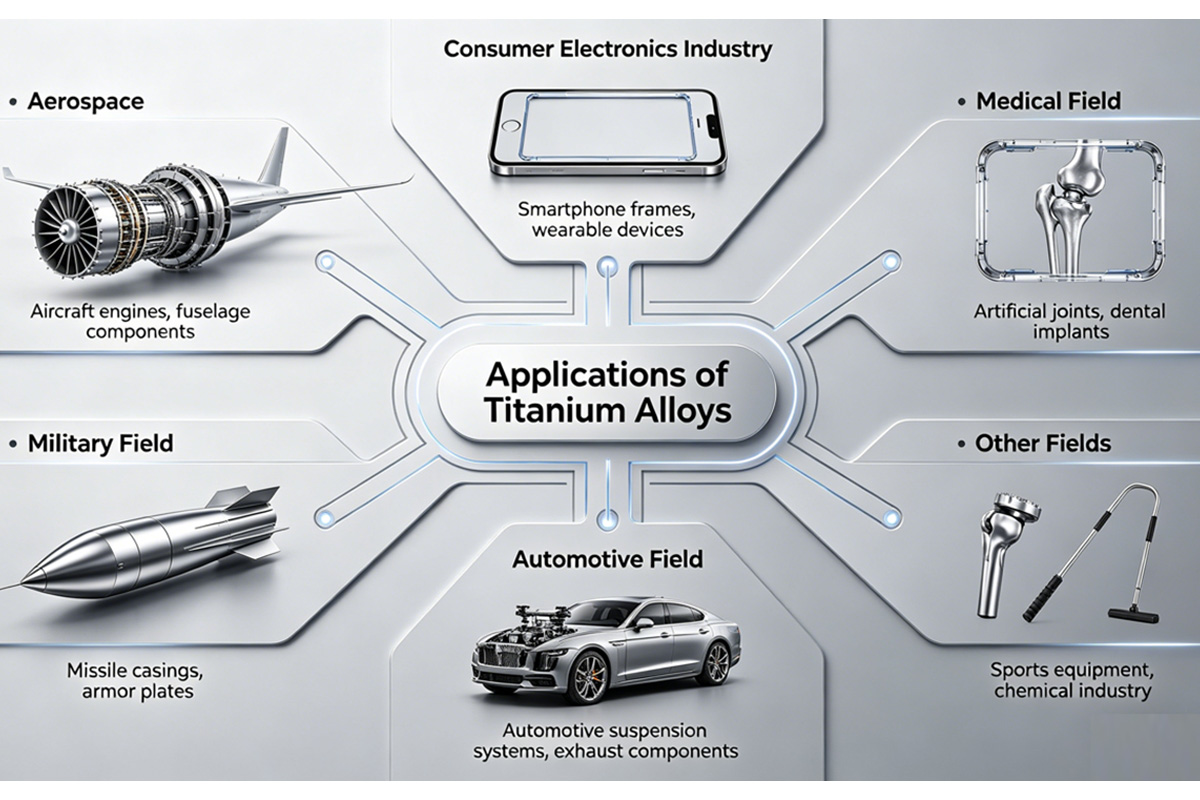
Aerospace
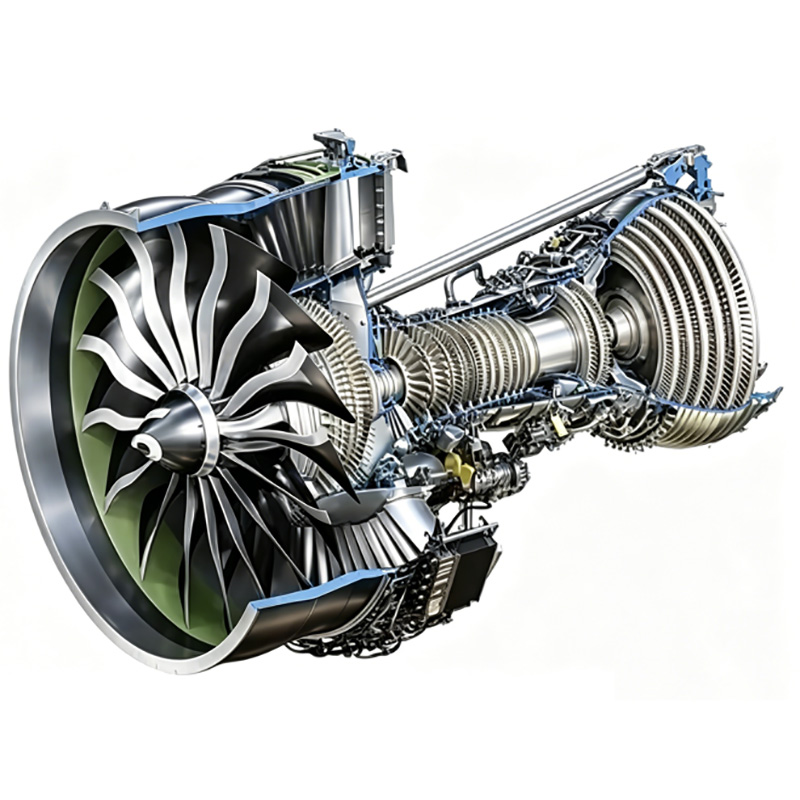
Plates, profiles and extrusion materials with few defects are widely used in structural parts of civil and military aircraft, engine components, landing gear, gas turbine blades, pressure vessels, rocket casings, satellite frames and other key aerospace and defense components.
Consumer Electronics Industry
Titanium alloys are applied in electronic products including high-end smartphones, notebook computers, tablet housings, camera components, smart wearables such as watches and bands, as well as heat sinks and brackets for electronic devices.
Medical Field
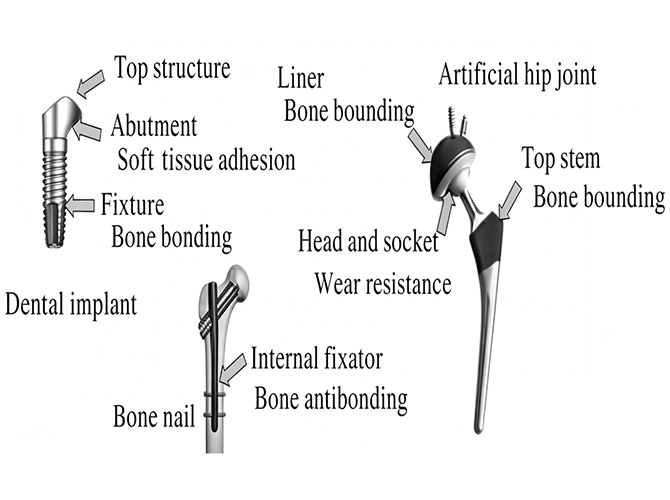
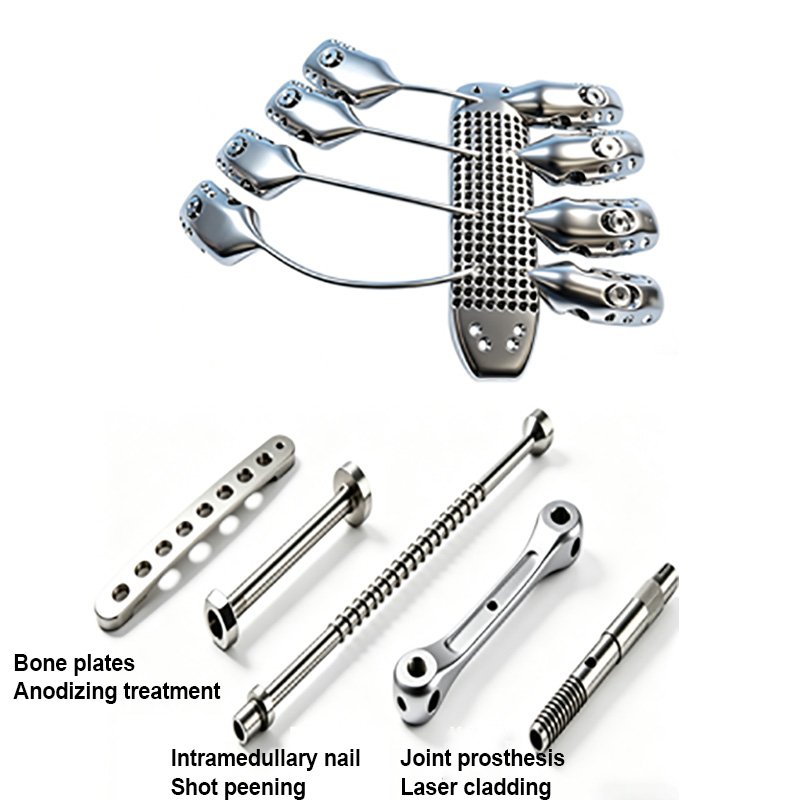
As high-performance medical metallic materials, titanium alloys are utilized in orthopedic biomaterials, human bone plates and screws, artificial joints, cardiovascular stents, dental implants, surgical instruments and other long-term implantable medical devices.
Military Field
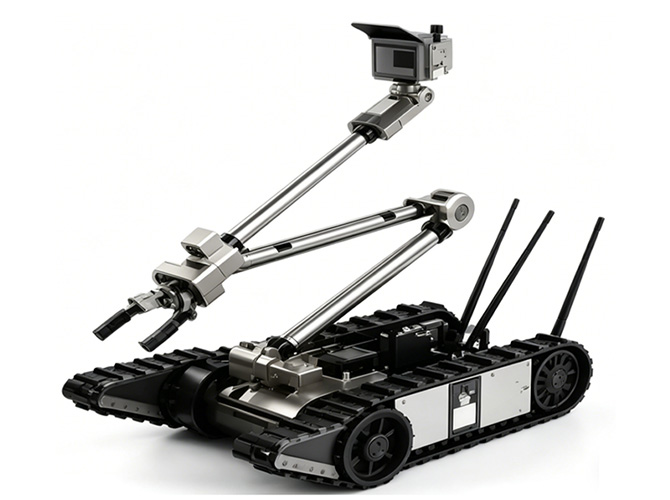
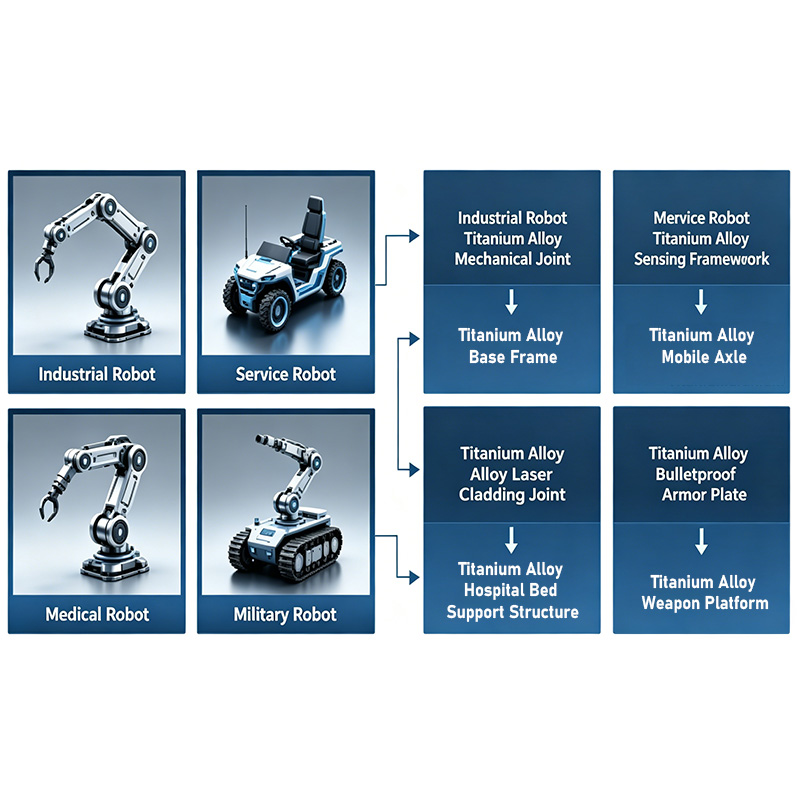
The advantages of low density, high specific strength, excellent corrosion resistance and non-magnetic properties make titanium alloys ideal for military equipment. They can reduce the weight of military equipment parts and improve reliability, and are widely used in armor, weapon systems, naval vessels, radar housings and other military equipment.
Automotive Field
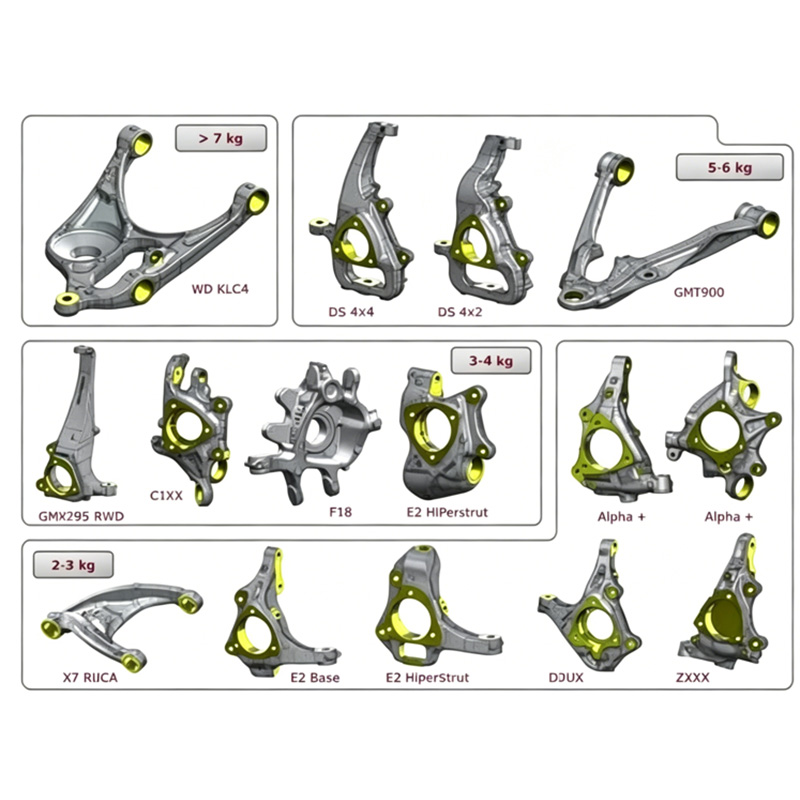
Titanium alloys play a critical role in automotive lightweighting. They are used to manufacture engine connecting rods, valves, turbocharger parts, exhaust systems, suspension components, brake calipers, fasteners and other lightweight and high-temperature resistant components for high-performance vehicles and new energy vehicles.
Other Fields
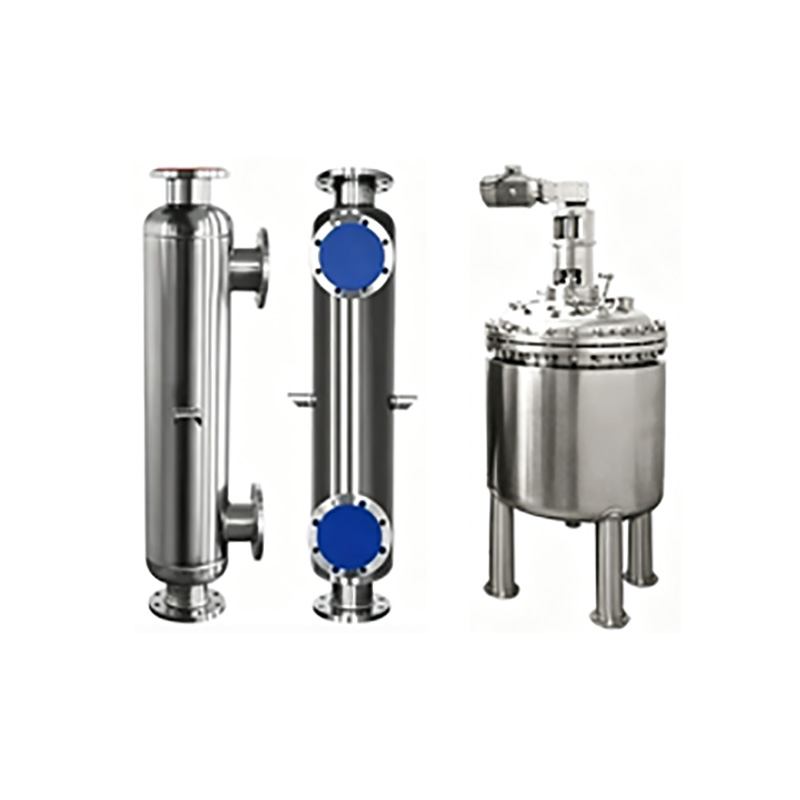
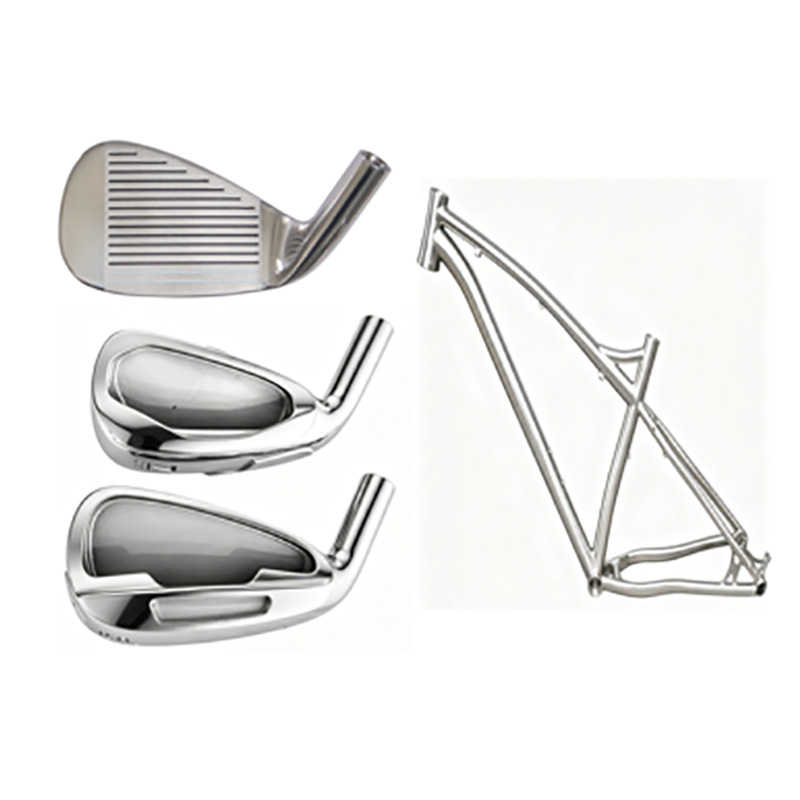
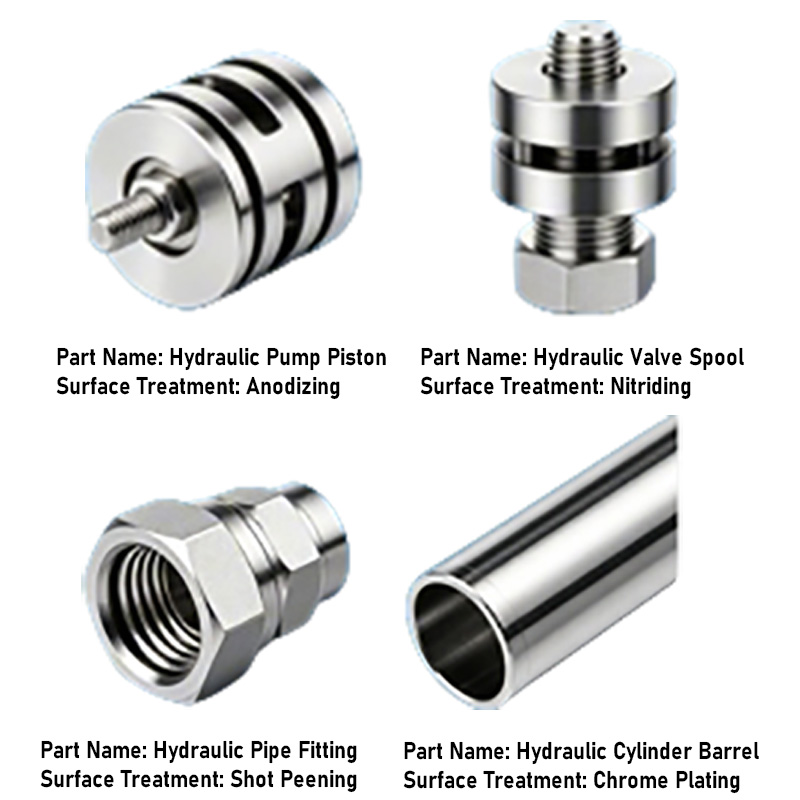
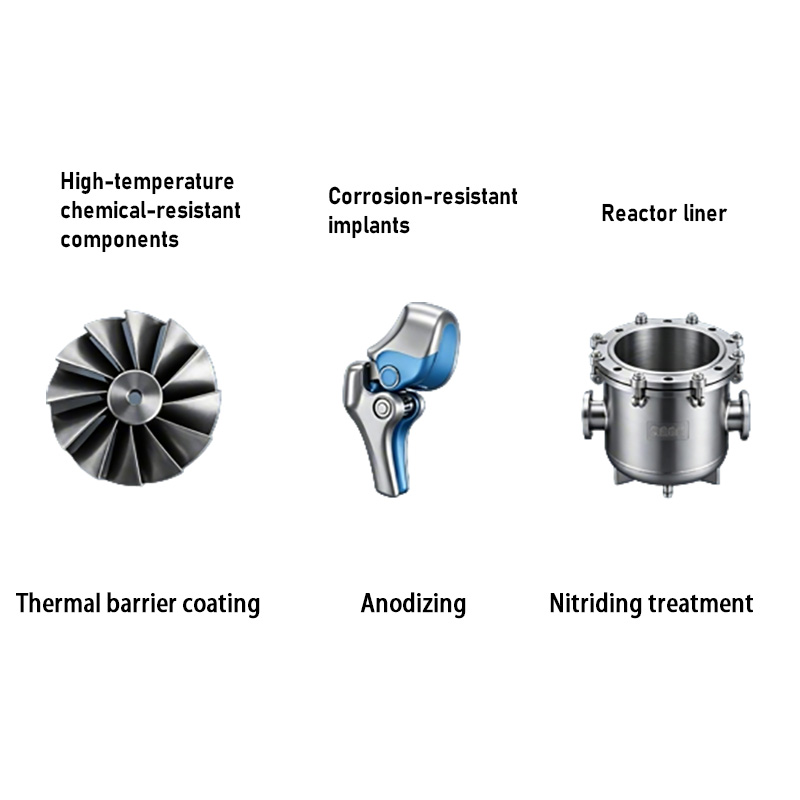
Titanium alloys are extensively applied in machinery manufacturing and marine engineering, including marine equipment components, desalination equipment, chemical pipelines and reactors, power generation heat exchangers, sports equipment such as golf clubs and bicycle frames, as well as other industrial and civil fields that require corrosion resistance and high strength.
China has formed a complete industrial chain for titanium alloy raw materials, precision machining, heat treatment and surface treatment in recent years. With abundant titanium resources, mature manufacturing supporting facilities, advanced five-axis CNC machining equipment and professional technical teams, it can efficiently undertake customized processing of various titanium alloy parts. Meanwhile, China enjoys obvious cost performance advantages while maintaining high precision and stable quality, covering aerospace, medical equipment, consumer electronics, marine engineering and new energy industries, and has become an important global supply base for titanium alloy precision components.
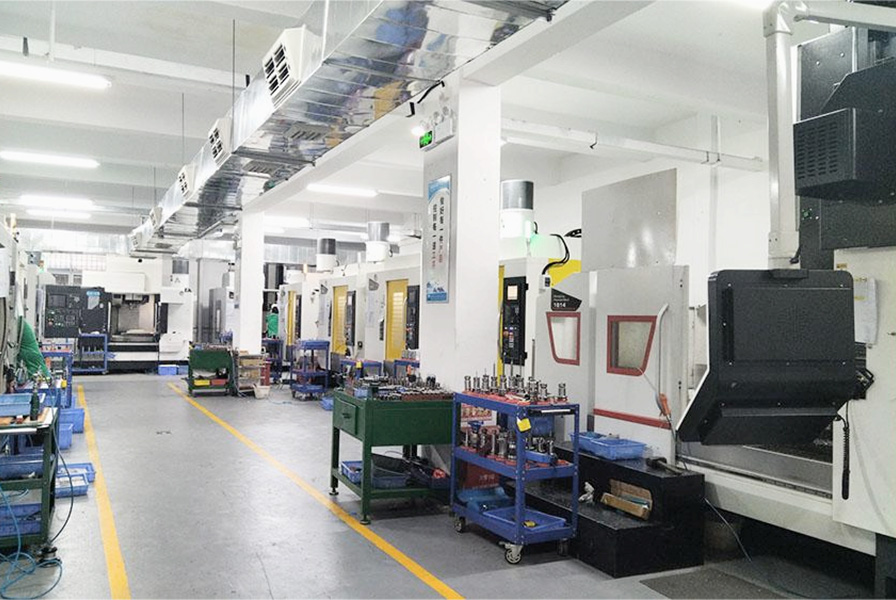
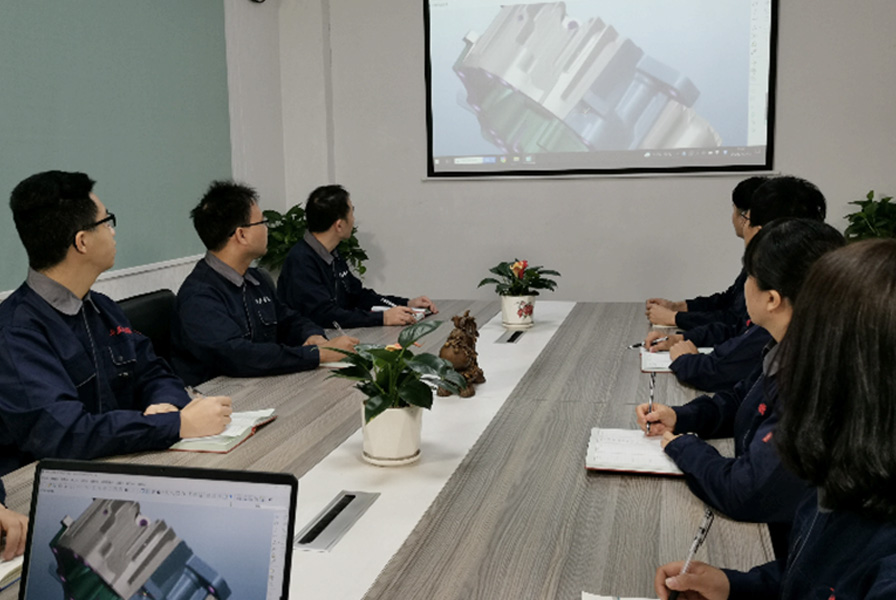
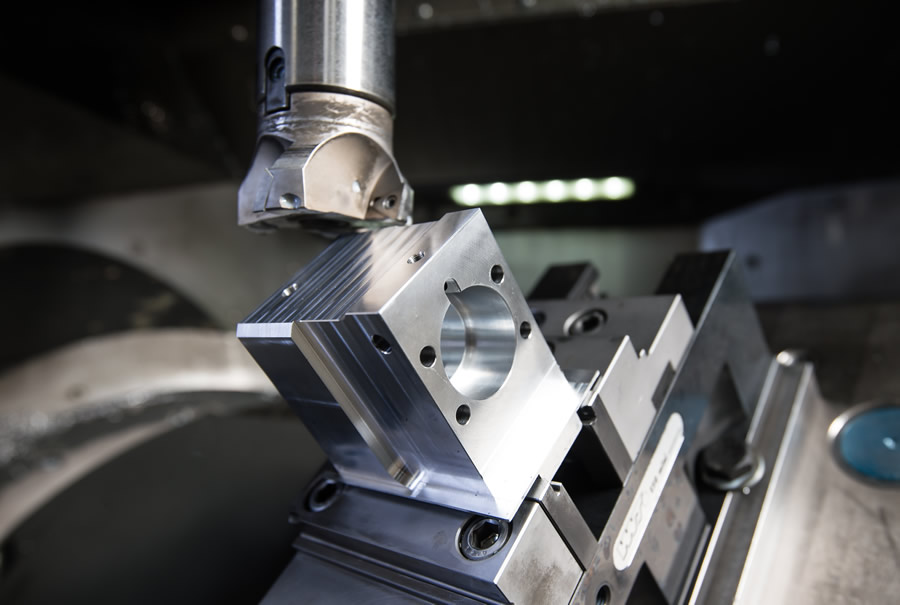
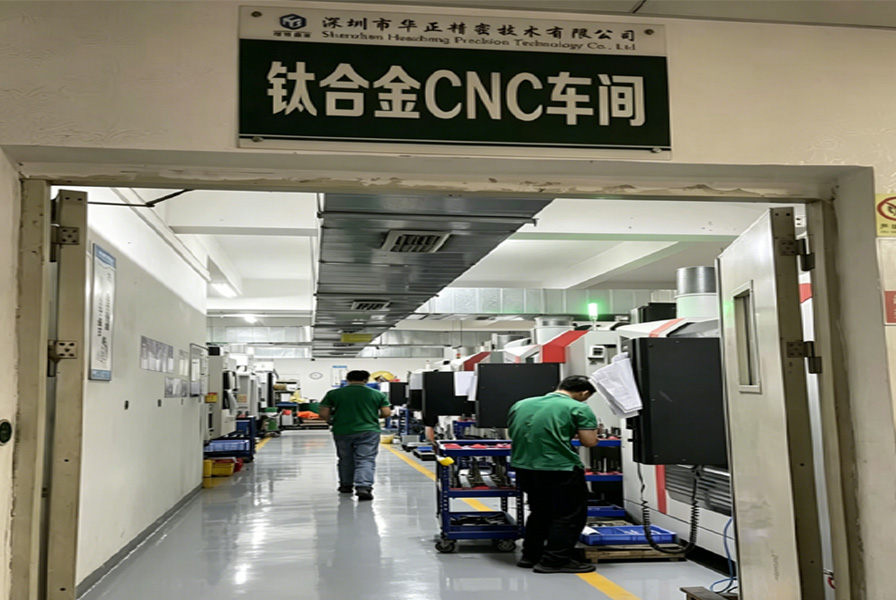
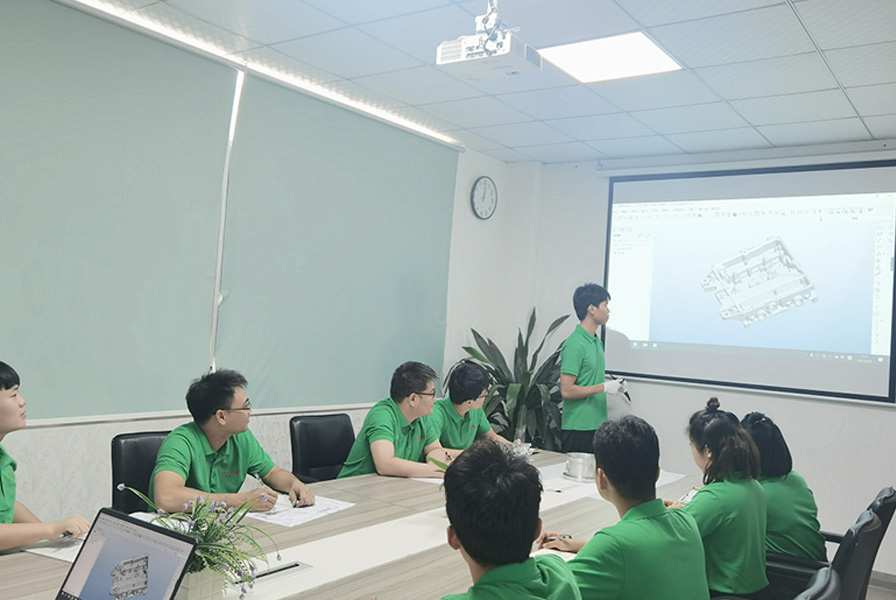
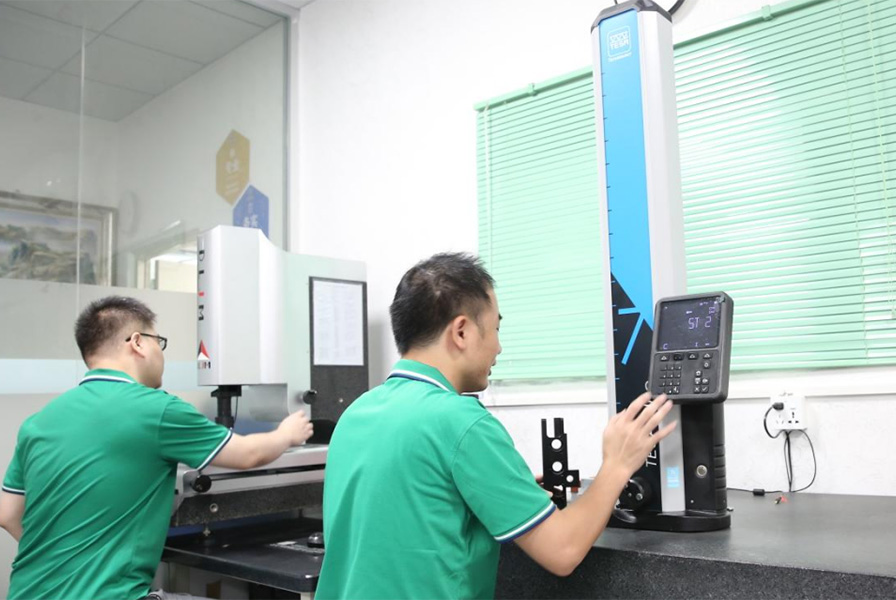
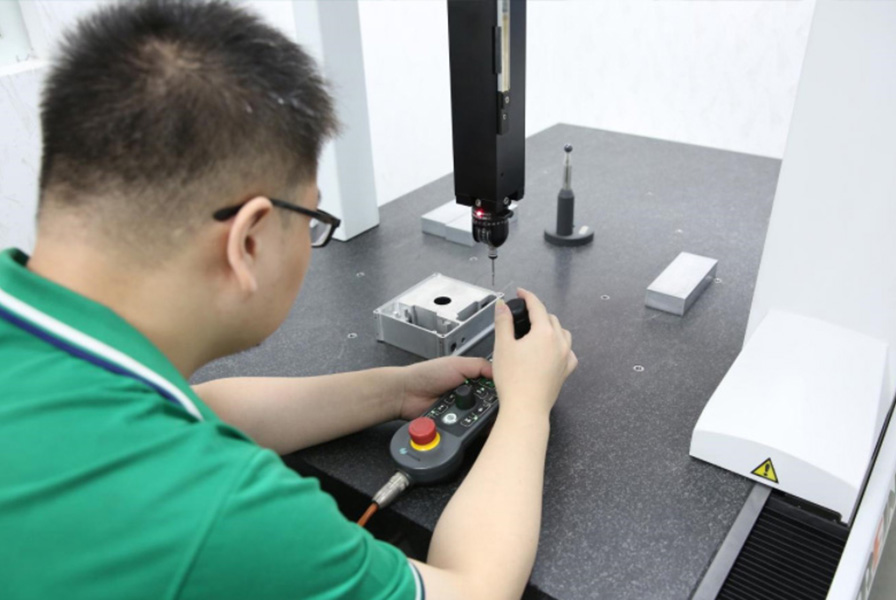
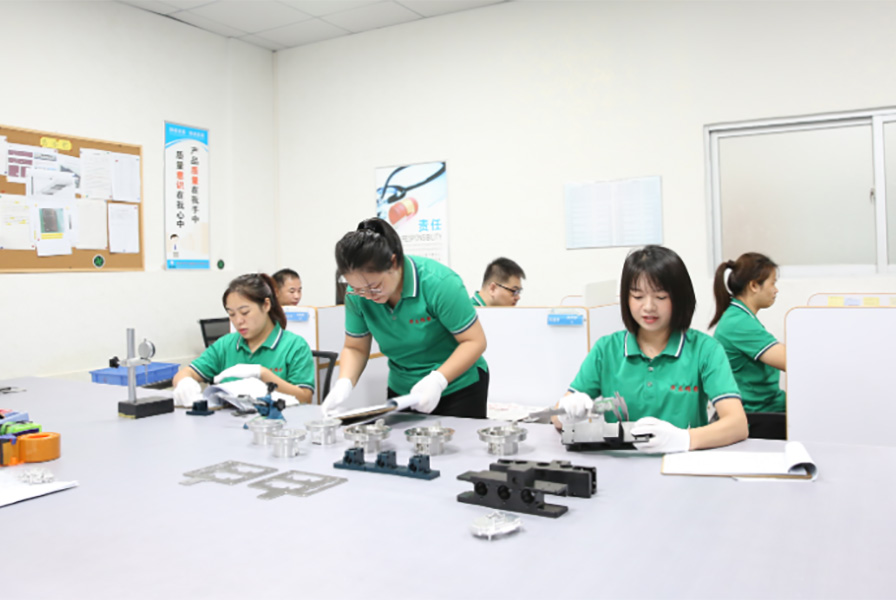
Huazheng has rich experience in professional titanium alloy deep processing and precision custom manufacturing. The company is equipped with advanced five-axis machining centers, lathes, milling machines and complete heat treatment, welding and surface processing production lines. It is proficient in processing TA1, TA2, TC4, TA15 and various high-strength titanium alloy materials, strictly controls dimensional tolerance and surface quality, and provides one-stop services from drawing evaluation, prototype processing to mass production. With standardized production management and strict quality inspection system, Huazheng can stably supply high-precision titanium alloy structural parts and mechanical components for global customers.
Equipped with 2 units, with a travel of 680 × 680 × 600 mm and a machining accuracy of up to 0.01 mm, suitable for high-complexity precision parts machining.
Equipped with 8 units, with a travel of 250 × 250 × 250 mm and a machining accuracy of up to 0.01 mm, ideal for high-precision machining of small and complex components.
Equipped with 6 units, with a travel of 800 × 600 × 550 mm and a machining accuracy of up to 0.01 mm, capable of meeting multi-face precision machining requirements.
Equipped with 6 units, with a travel of 500 × 400 × 300 mm and a machining accuracy of up to 0.01 mm, suitable for efficient machining of standard precision parts.
Equipped with 2 units, with a travel of 1500 × 600 × 350 mm and a machining accuracy of up to 0.02 mm, suitable for precision machining of large-sized workpieces.
Equipped with 10 units, with a travel of 700 × 400 × 400 mm and a machining accuracy of up to 0.02 mm, capable of supporting batch production of precision parts.
Equipped with 1 unit, with a travel of 1600 × 1400 × 800 mm and a machining accuracy of up to 0.02 mm, suitable for machining large workpieces and complex structural parts.
Equipped with 1 unit, with a working range of 600 × 600 × 400 mm and a processing accuracy of up to 0.01 mm, effectively improving surface finish and consistency of workpieces.
Equipped with 1 unit, with a measuring range of 600 × 800 × 600 mm and an inspection accuracy of up to 0.001 mm, capable of high-precision 3D dimensional inspection.
Equipped with 1 unit, with a measuring range of 400 × 300 × 200 mm and an inspection accuracy of up to 0.001 mm, suitable for precise profile and dimensional measurement.
Equipped with 1 unit, with a measuring range of 0–700 mm and an inspection accuracy of up to 0.001 mm, suitable for high-precision height and vertical dimension measurement.
Equipped with 1 unit, with a measuring range of 0.02–10 μm and a roughness accuracy of Ra 0.02 μm, capable of accurately evaluating surface quality.
Equipped with 1 unit, used for measuring coating thickness on product surfaces to ensure stable surface treatment quality.
Equipped with 1 unit, used for hardness testing of metallic materials to ensure compliance with material performance requirements.
Equipped with 1 unit, used for high-precision microhardness testing to meet material analysis requirements for precision parts.
Equipped with 3 units, with a measuring range of 0–200 mm and an inspection accuracy of up to 0.001 mm, suitable for rapid precision height measurement.
Equipped with 19 units, with a measuring range of 150–650 mm and an inspection accuracy of up to 0.005 mm, suitable for efficient daily dimensional inspection.
Equipped with 19 units, with a measuring range of 16–200 mm and an inspection accuracy of up to 0.005 mm, suitable for precise internal diameter measurement.
Equipped with 19 units, with a measuring range of 20–200 mm and an inspection accuracy of up to 0.005 mm, suitable for precise external diameter and thickness measurement.







+86 13421341931
Building 2, Shapuwei No. 2 Industrial Zone, Songgang, Bao'an District, Shenzhen City, Guangdong Province


Copyright © 2026 Shenzhen HuaZheng Precision Technology Co., Ltd All rights reserved.
Privacy Policy Cookie Policy Terms and Conditions