



Magnesium Alloy Machining has become a key technology in lightweight structural manufacturing, especially for aerospace, robotics, automotive, and consumer electronics industries. However, while machining magnesium alloy is relatively efficient, surface treatment such as magnesium alloy electroplating remains one of the most challenging processes in metal finishing.
Huazheng, based in Shenzhen, has been deeply engaged in non-standard CNC manufacturing for more than 10 years. As a CNC source factory specializing in five-axis high-precision complex parts, we provide professional Magnesium Alloy Machining, titanium machining, acrylic machining, fiberglass fixture machining, and carbon fiber processing. We also offer one-stop services including design, prototyping, small batch production, mass production, and assembly.
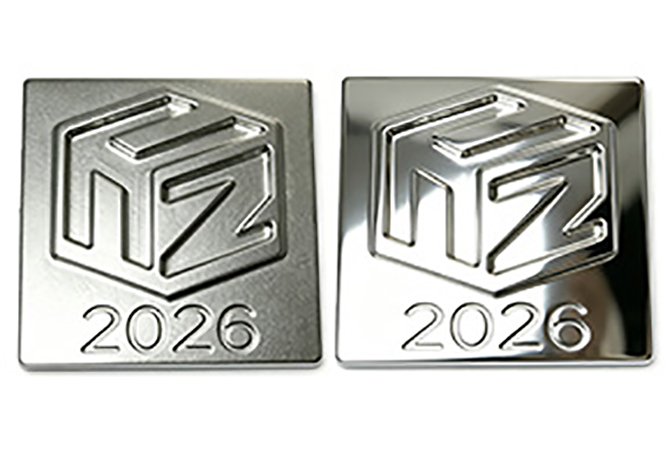
Magnesium Alloy Machining in Modern Manufacturing
Magnesium alloy machining is widely used due to its ultra-lightweight properties and excellent strength-to-weight ratio.
Key characteristics include:
High machining efficiency in Magnesium Machining
Low cutting resistance compared to steel or titanium
Good damping and thermal conductivity
Suitable for lightweight structural design
The machining magnesium alloys strength and machining magnesium alloys yield performance make magnesium ideal for aerospace and robotic components.
Huazheng specializes in magnesium alloy parts machining using five-axis CNC systems to ensure dimensional accuracy and stable production.
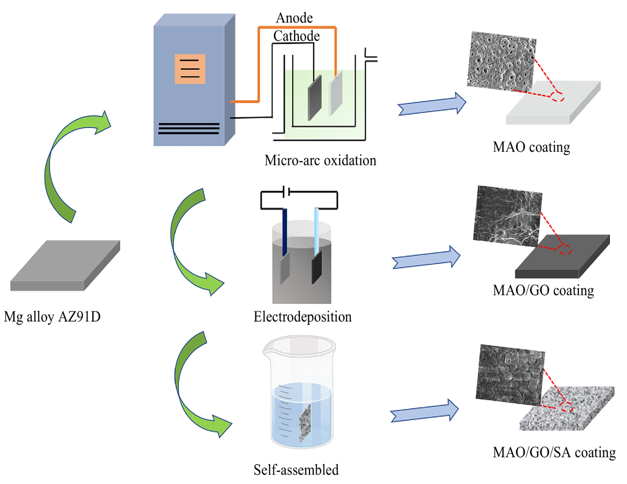
How Hard Is It to Machine Magnesium?
Many engineers ask: How hard is it to machine magnesium?
In fact, magnesium is considered relatively easy to cut compared to other metals. However, the difficulty lies not in cutting force, but in safety and process control:
Risk of ignition during dry machining
Fine chips can be flammable
Surface oxidation after machining magnesium alloys
Requires controlled cutting environment
So while machining is easy, industrial machining magnesium alloys requires strict safety management.
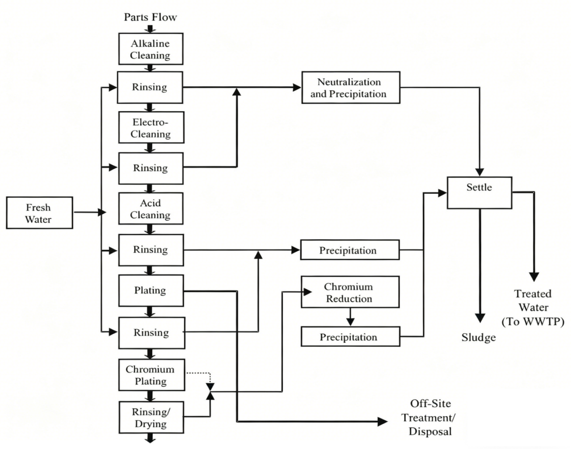
Can You Electroplate with Magnesium?
Yes, magnesium can be electroplated, but it is one of the most difficult base metals for coating.
Magnesium alloy electroplating is possible only when a stable pre-treatment system is used, otherwise issues like:
Blistering
Peeling
Poor adhesion
Uneven coating
will occur easily.
That is why a complete magnesium alloy electroplating process is critical for success.
Magnesium Alloy Electroplating Process (AZ91D Full Industrial Workflow)
Huazheng has a mature and stable process system for AZ91D magnesium alloy electroplating. Below is a proven production-level workflow:
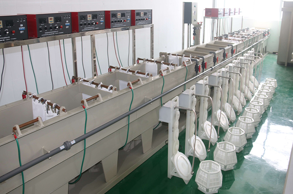 1. Degreasing (1# Step)
50 g/L degreasing agent
40–60°C
3–5 minutes
Purpose: remove oil, mold release agents, and contaminants to ensure stable adhesion in Magnesium Plating.
2. Acid Etching (2# Activation)
20–30°C
60–90 seconds
2A: 100 mL/L, 2B: 5 mL/L
Purpose: activate surface without over-etching during machining magnesium alloy parts.
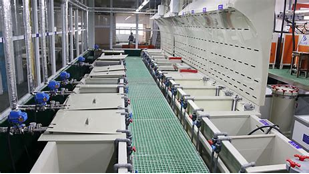
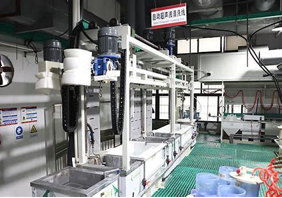 3. Ultrasonic Film Removal (3# Critical Step)
35–50°C
30–60 seconds
3A: 150 mL/L, 3B: 100 mL/L
Purpose: remove oxide film formed after acid treatment. This step is crucial for magnesium alloy electroplating kit performance in industrial systems.
4. Surface Conditioning (4# Preparation)
50–70°C
180 seconds
200 mL/L solution
Purpose: ensure uniform activation before zinc immersion.
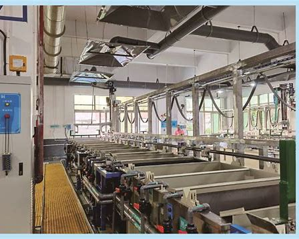
5. Zinc Immersion (5# Key Layer)
60–70°C
120–180 seconds
5A: 600 mL/L
Purpose: forms bonding layer that directly affects coating quality and magnesium alloy electroplating cost.
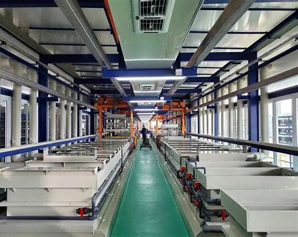
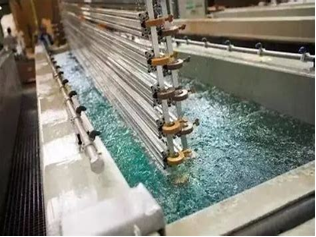
6. Cyanide-Free Alkaline Copper (6# Base Layer)
30–35°C
10–20 minutes
6A: 800 mL/L, 6B: 100 mL/L
Purpose: build stable conductive layer for final electroplating.
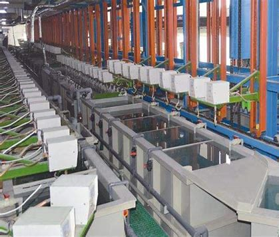
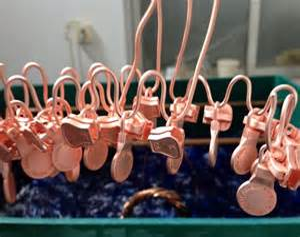
Magnesium Alloy Electroplating Challenges
Although magnesium alloy machining is well developed, surface finishing remains difficult due to material reactivity.
Common issues include:
Poor bonding strength after machining magnesium alloy
Local non-plating areas
Coating peeling after stress testing
Inconsistent surface activation
That is why stable process control is more important than any magnesium alloy electroplating kit on the market.
Magnesium Alloy Thixomolding vs CNC Machining
In addition to CNC, magnesium parts can also be produced using magnesium alloy thixomolding machine manufacture and supplied by magnesium alloy thixomolding machine suppliers.
However, CNC machining is still required for:
High-precision parts
Tight tolerance assemblies
Complex geometric structures
Functional surfaces after molding
So both processes are often used together in modern production systems.
Best Magnesium Alloy for Machining
The most commonly used material is AZ91D, due to:
Good machining magnesium alloy performance
Stable strength-to-weight ratio
Good corrosion resistance after treatment
Excellent compatibility with magnesium plating systems
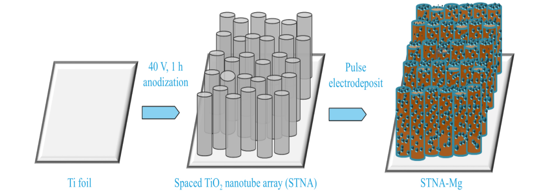
Magnesium Alloy Electroplating Cost Factors
The magnesium alloy electroplating cost depends on:
Surface complexity after machining magnesium alloys
Pretreatment process stability
Coating thickness requirements
Yield rate and rework frequency
A stable process reduces total cost significantly by improving first-pass yield.
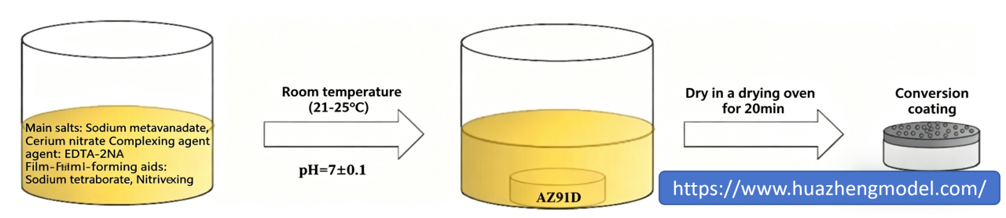
Magnesium alloy machining and magnesium alloy electroplating are closely connected processes. While machining magnesium alloy is relatively easy, achieving stable coating performance is much more challenging.
With a complete magnesium alloy electroplating process, proper surface preparation, and controlled parameters, issues like blistering, peeling, and poor adhesion can be effectively solved.
Huazheng provides integrated support from CNC machining magnesium alloy parts to full electroplating process optimization, helping customers improve yield, stability, and production efficiency.
If you are facing problems in machining magnesium alloys or magnesium plating, we can support both engineering solutions and production-level process optimization.


