



Magnesium alloys are among the lightest structural metals available today. They offer excellent strength-to-weight ratio, high vibration damping capacity, and outstanding machinability, making them widely used in aerospace, automotive, medical equipment, consumer electronics, and precision engineering.
Compared with steel and aluminum, magnesium alloys require much lower cutting forces and provide excellent surface finishes. However, their low melting point and flammability require proper machining strategies, tool selection, cooling methods, and safety precautions.
This guide explains the machining characteristics of magnesium alloys, recommended milling cutters, cutting parameters, cooling methods, and practical CNC machining experience.
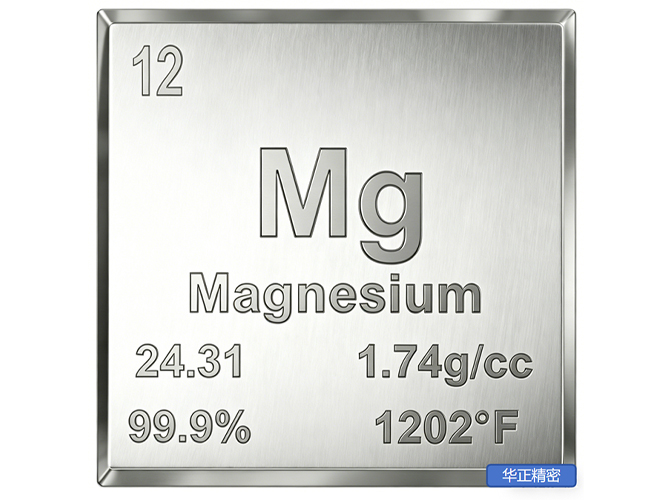
Why Magnesium Alloys Are Easy to Machine
Magnesium alloys possess several properties that make CNC machining highly efficient.
Lightweight with High Specific Strength
The density of magnesium alloy is only 1.6–1.8 g/cm³, approximately one-third lighter than aluminum. Despite its low weight, tensile strength can reach 330 MPa, providing an excellent strength-to-weight ratio for lightweight structural components.
Typical applications include:
Aerospace components
Automotive lightweight parts
Medical devices
Electronic housings
Robotics
UAV structures
Low Hardness Improves Machinability
The hardness of magnesium alloys is typically 40–80 HBW, much softer than carbon steel.
Benefits include:
Low cutting force
Longer tool life
Higher machining efficiency
Better dimensional accuracy
Excellent surface finish
Cutting force is approximately:
1/7 of steel
1/2 of aluminum alloy
High Thermal Conductivity
Magnesium alloy has thermal conductivity ranging from 65.8 to 150 W/(m·K).
Advantages:
Heat dissipates rapidly
Reduced thermal deformation during rough machining
Improved machining efficiency
However, because magnesium has relatively low heat capacity, excessive cutting temperatures may still deform thin-wall components.
Challenges When Machining Magnesium Alloy
Despite its excellent machinability, Magnesium Machining presents several technical challenges.
Chip Adhesion
Fine magnesium chips soften during cutting and may adhere to the cutting edge.
Consequences include:
Increased cutting force
Poor surface finish
Built-up edge formation
Shortened tool life
Reducing cutting temperature is the most effective solution.
Fire Hazard
Magnesium chips can ignite at approximately 350°C, while feather-shaped chips may ignite around 428°C.
Safety recommendations include:
Avoid excessive cutting speeds
Remove chips frequently
Keep machining areas dry
Never smoke or weld near magnesium machining
Prepare Class D fire extinguishing materials or dry sand
Water and foam extinguishers should never be used on burning magnesium.
Corrosion After Machining
Freshly machined magnesium surfaces develop a porous oxide film that cannot effectively protect the material.
After machining:
Apply anti-rust oil immediately
Store parts in dry environments
Prevent moisture exposure
Recommended Milling Cutter Selection
Proper tool geometry significantly improves machining performance.
Tool Material
Recommended carbide grades include:
YG6X
YG8
The cutting edge should be extremely sharp with polished rake and flank faces.
Recommended surface roughness:
Ra < 0.1 μm
Milling Cutter Geometry
Recommended geometry includes:
| Parameter | Recommendation |
|---|---|
| Rake Angle | 20°–30° |
| Relief Angle | 15°–18° |
| Inclination Angle | 10°–15° |
| Main Cutting Edge Angle | 75° |
| Secondary Edge Angle | 25° |
Large chip flutes help evacuate soft magnesium chips efficiently.
Recommended Cutting Parameters
Typical dry machining parameters include:
Cutting Speed
150–250 m/min
Maximum recommended:
250 m/min
Feed per Tooth
Recommended:
0.3–0.5 mm/tooth
Higher feed helps produce thicker chips, reducing ignition risk and improving productivity.
Axial Depth of Cut
Recommended:
2–3 mm
Excessive depth increases deformation and reduces dimensional accuracy.
Best Cooling Methods for magnesium machining
Cooling is one of the most important factors in safe magnesium machining.
Nitrogen Cooling
Low-temperature nitrogen (around −10°C) provides:
Excellent cooling
Fire prevention
Surface oxidation protection
Clean machining environment
Water-Based Emulsion
A water-based emulsion is commonly used.
Recommended conditions:
pH value: 8.3–9.2
Deionized water hardness:
50–200 mg/LMinimum coolant flow:
2 m³/h
Acidic cutting fluids should never be used because they may corrode magnesium.
Proper Milling Practices
Light Clamping
Because magnesium alloy is relatively soft, excessive clamping pressure may cause:
Surface dents
Distortion
Dimensional errors
Multiple light supports are recommended for large castings.
Temperature Control
Since magnesium's thermal expansion coefficient is over twice that of steel, dimensional inspection should be performed only after the workpiece returns to room temperature.
Practical CNC Machining Tips
Experienced CNC machinists recommend several best practices.
Calculate Cutting Parameters Instead of Guessing
Always verify:
Spindle speed
Feed rate
Surface speed
Feed per tooth
Incorrect programming may lead to:
Chipped inserts
Poor surface roughness
Reduced tool life
Avoid G00 for Short Movements
When moving approximately 200 mm between machining positions, G01 feed motion is often preferable to high-speed G00 movement.
Benefits include:
Less gearbox wear
Better hole roundness
Improved machine longevity
Prevent Aluminum Tool Sticking
If machining aluminum causes built-up edge:
Increase coolant concentration to 6–10%
Direct coolant continuously onto the cutting edge
Adjust tool overhang and side engagement
The principle of light cutting with high feed often delivers:
Better stability
Higher accuracy
Longer machine life
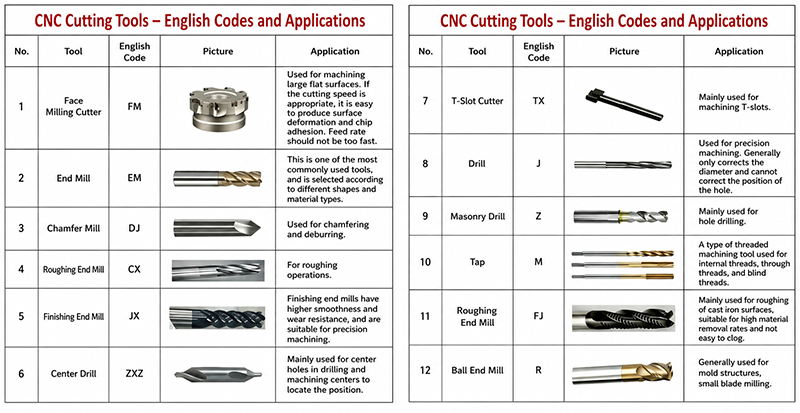
Types of Cutting Tools and Their Uses
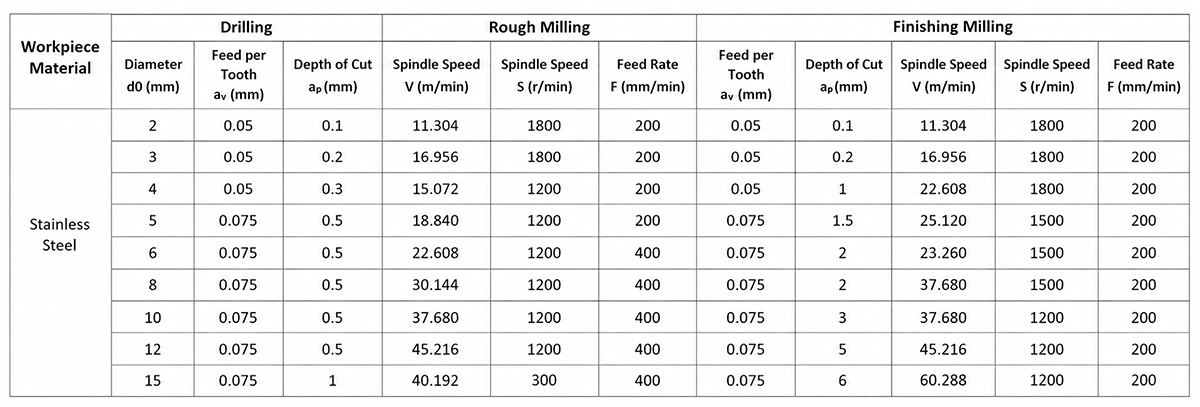
Typical End Mill Parameters
The PPT also provides recommended parameters for common carbide end mills from Ø0.5 mm to Ø16 mm, including:
Tool diameter
Flute length
Shank diameter
Overall length
Side engagement
Recommended spindle speed
Feed rate
Depth of cut
These values serve as reference data and should be adjusted according to:
Machine rigidity
Tool brand
Workpiece material
Fixture stability
Coolant conditions
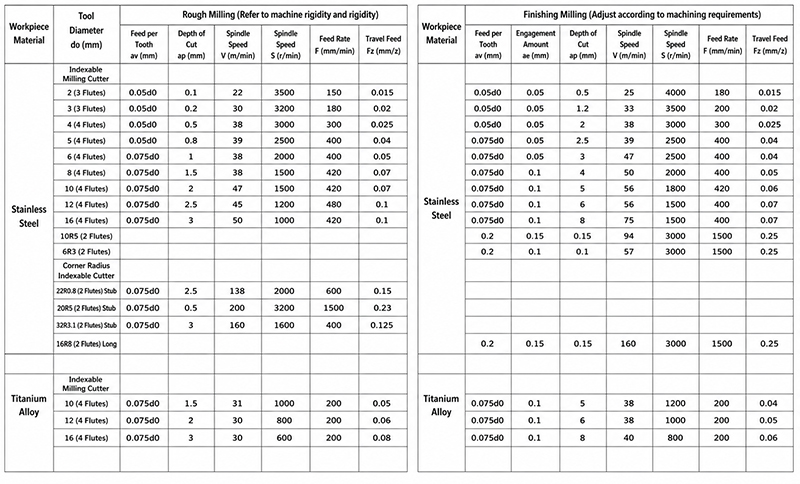
Common Cutting Parameters for Milling Different Materials
Common Machining Problems and Solutions
Typical issues include:
Chip adhesion
Poor surface finish
Excessive vibration
Hole out-of-round
Tool chipping
Burning chips
Dimensional instability
Most problems can be solved by optimizing:
Tool geometry
Cutting parameters
Coolant delivery
Clamping method
Chip evacuation
Magnesium alloy is one of the easiest structural metals to machine, offering low cutting forces, excellent surface quality, and high productivity. However, successful machining depends on selecting appropriate cutting tools, controlling cutting temperature, using effective cooling systems, and following strict fire safety procedures.
With optimized machining parameters and proper CNC practices, manufacturers can achieve high precision, longer tool life, improved efficiency, and reliable machining quality for magnesium alloy components.
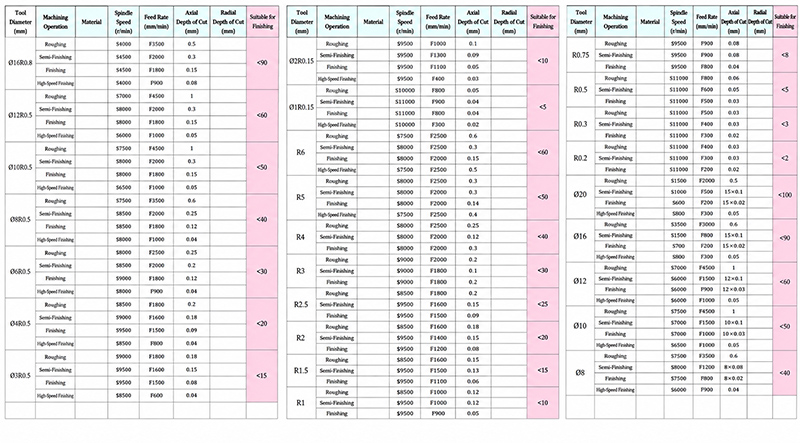
Copper Rod Machining Parameter Table
FAQ
Is magnesium easier to machine than aluminum?
Yes. Magnesium generally requires lower cutting forces and provides better machinability than aluminum, although additional fire safety precautions are necessary.
What cutting speed is recommended for magnesium alloy?
A cutting speed of 150–250 m/min is generally recommended for dry milling, with 250 m/min considered the practical upper limit.
Can water-based coolant be used?
Yes. A properly maintained alkaline water-based emulsion with a pH between 8.3 and 9.2 is commonly used.
Why is magnesium machining dangerous?
Fine magnesium chips can ignite at elevated temperatures, so controlling cutting temperature and removing chips efficiently are essential.
What milling cutter is best for magnesium alloy?
Sharp carbide end mills with polished cutting edges, large rake angles, and large chip flutes are generally recommended.
Huazheng offers one-stop CNC solutions. Please contact us:
WhatsApp:+86 13421341931
Email address:info@huazhengmodel.com
E-commerce website:https://www.huazhengmodel.com/


