



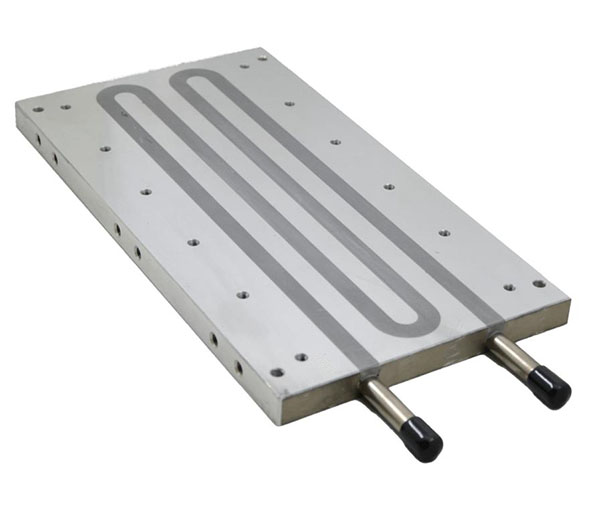
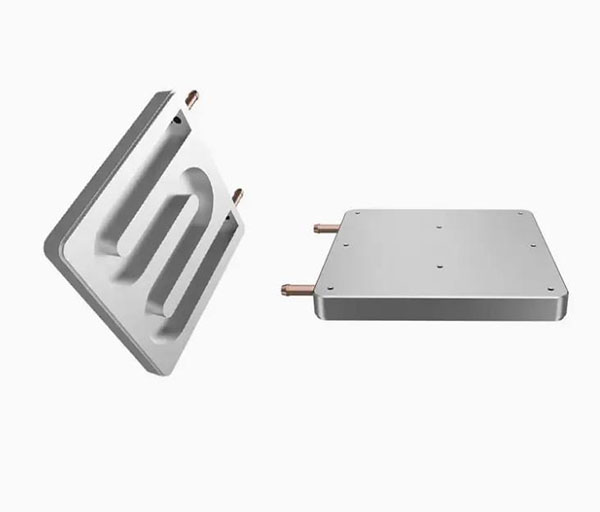
Liquid Cold Plate are specialized devices designed to dissipate heat from electronic components. They are typically made from materials with high thermal conductivity, such as aluminum or copper. These cold plates use liquid coolant to transfer heat away from the heat source and distribute it evenly across the plate's surface. This process is much more efficient than traditional air cooling methods, making Liquid Cooling Cold Plates ideal for high-performance and high-heat applications.
How Liquid Cooling Cold Plates Work
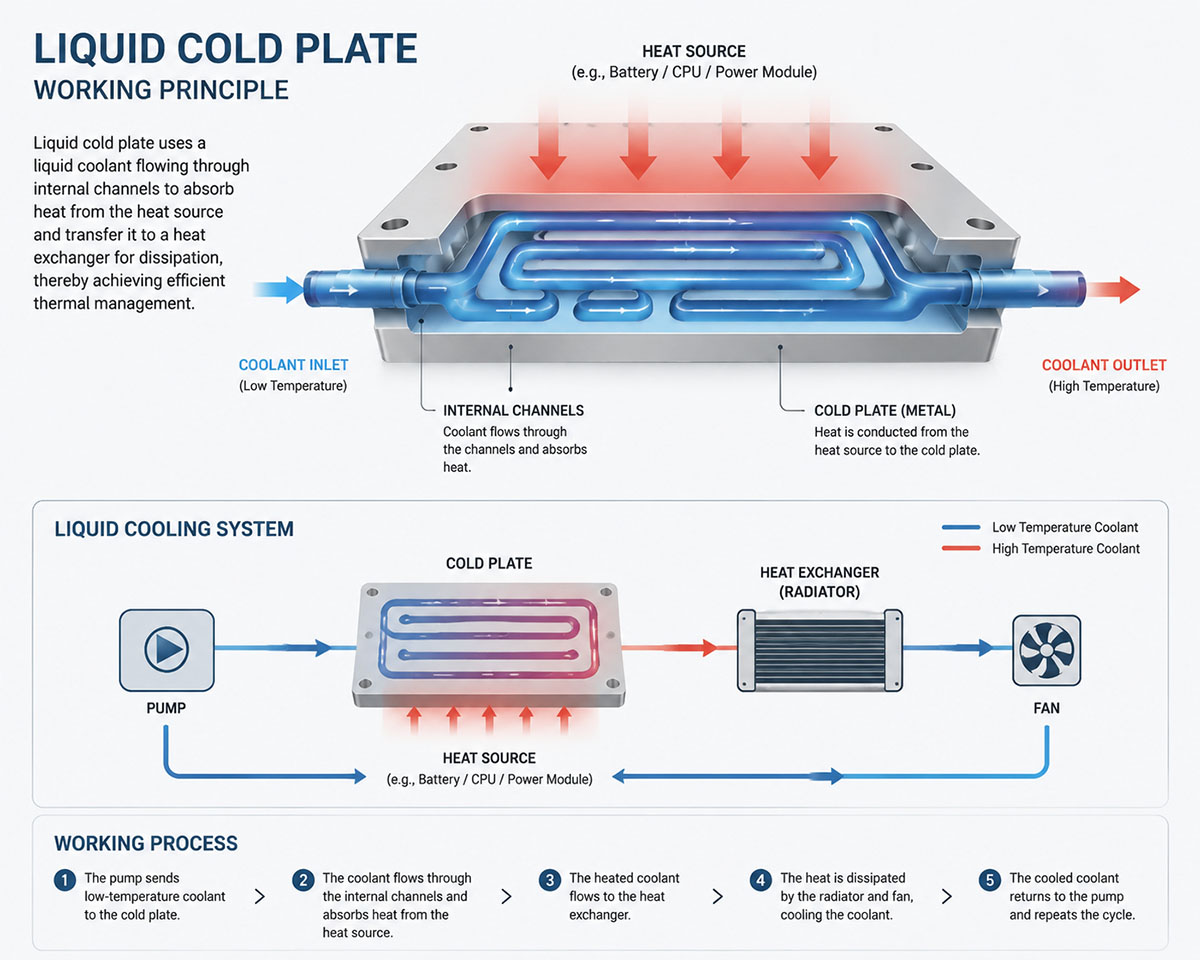
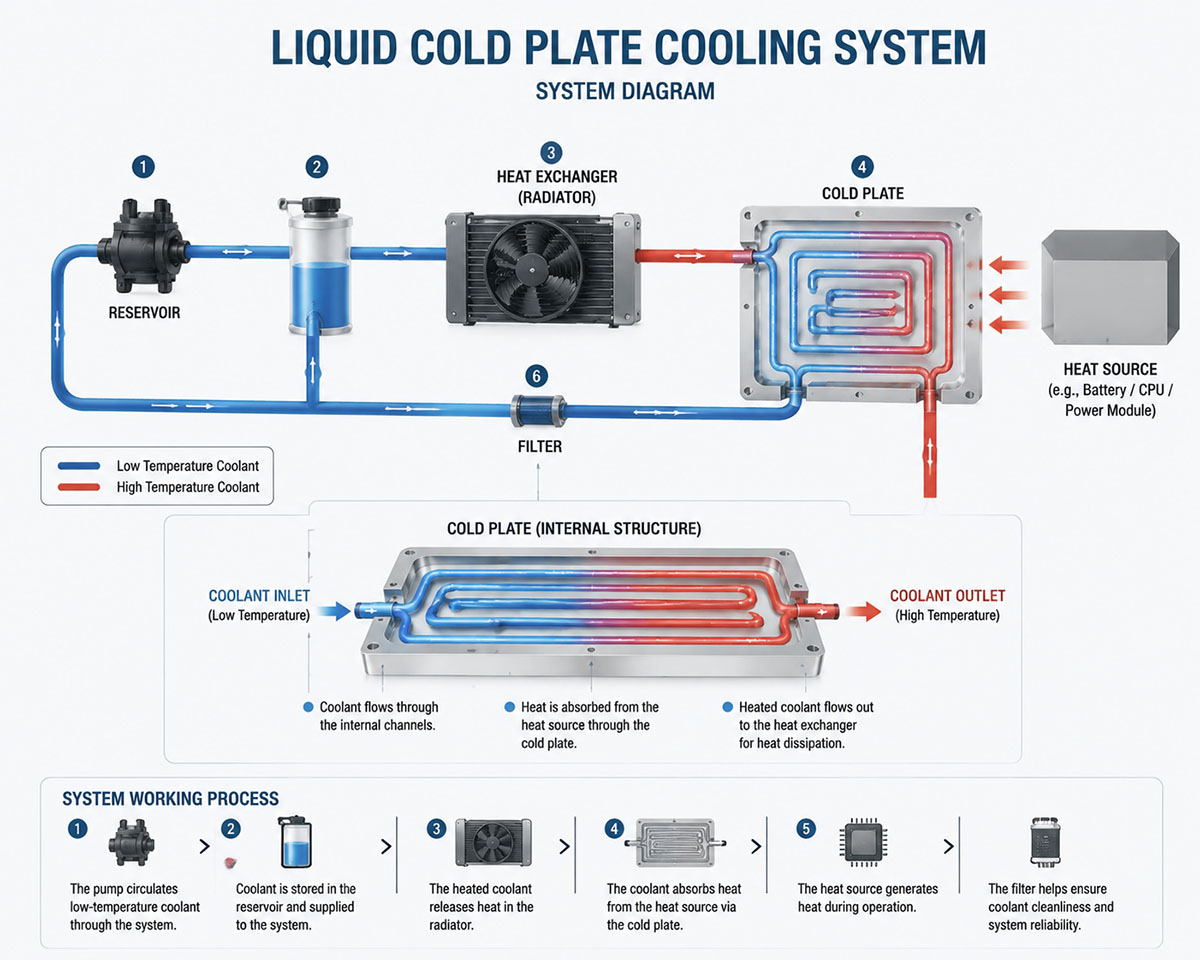
The working principle of liquid cooling cold plates is relatively simple but highly effective. A liquid coolant, such as water or a specialized coolant mixture, flows through channels embedded within the cold plate. These channels are designed to maximize the surface area in contact with the coolant, ensuring efficient heat transfer. The heat generated by the electronic components is absorbed by the coolant and carried away from the heat source. The cooled liquid is then circulated back through the system, maintaining a consistent and optimal temperature. This continuous cycle of heat absorption and dissipation keeps electronic components cool and prevents overheating.
Advantages of Liquid Cooling Technology
Liquid cooling cold plates offer several advantages over traditional air cooling methods. First and foremost, they provide superior thermal management, which is essential for high-performance applications. The efficient heat transfer capabilities of liquid cooling cold plates ensure that electronic components remain within their optimal temperature range, reducing the risk of thermal throttling and extending their lifespan. Additionally, liquid cooling systems are often quieter than their air-cooled counterparts, as they do not rely on noisy fans to dissipate heat. This makes them an excellent choice for noise-sensitive environments. Furthermore, liquid cooling cold plates can be customized to fit specific applications, providing tailored solutions for various electronic systems.
Why choose liquid cooling over air cooling?
Air cooling relies on fans and vapor-compression refrigeration systems to dissipate heat through air circulation. In contrast, liquid cooling technology uses a working fluid as the heat transfer medium, transporting heat from the heat source to a remote location where it is dissipated. Because liquids have a much higher specific heat capacity than air, they can absorb and transfer heat far more efficiently. As a result, the cooling efficiency of liquid cooling is significantly higher than that of air cooling, enabling data centers to achieve an annual Power Usage Effectiveness (PUE) value below 1.2.
The cooling principle of liquid cooling is based on differences in heat transfer pathways. The total cooling capacity of a refrigerant consists of sensible heat and latent heat. Sensible heat refers to the heat absorbed or released when a substance changes temperature without undergoing a phase change. Latent heat refers to the heat absorbed or released during a phase transition at constant temperature and pressure, such as when a liquid turns into a gas.
Compared with air cooling, liquid cooling technology offers three key advantages:
First, unlike the indirect cooling method used in air cooling, liquid cooling allows the coolant to be delivered directly to the heat source, greatly improving heat removal efficiency.
Second, due to the much higher specific heat capacity of liquids, the heat dissipation efficiency of liquid cooling is approximately 1,000–3,000 times higher than that of air cooling.
Third, liquid cooling systems operate with significantly lower noise levels compared to air cooling systems, reducing acoustic impact while also lowering energy consumption by minimizing the need for fans and large-scale air conditioning systems.
In addition, operating server CPUs at lower temperatures significantly improves computational performance and reliability. This enhances overall CPU efficiency and helps data centers achieve higher stability and energy efficiency.
Air Cooling | Liquid Cooling |
Limited heat dissipation capability | High heat dissipation efficiency |
Higher noise levels | Lower noise operation |
Uneven temperature distribution | Balanced temperature distribution |
Performance limited under high-power devices | Suitable for high-power equipment |
Common types of cold plates
The main types of Liquid Cold Plates include tube-in-plate, flat tube, brazed, and friction stir welded designs. Each has its own benefits.
Type | Description | Best Use Case |
Tube-in-Plate | Copper tube pressed into aluminum | Low to moderate heat loads |
Flat Tube | Flat liquid channel with large surface contact | EV battery cooling |
Brazed Plate | Internal channels sealed with vacuum brazing | Complex shapes, high performance applications |
Friction Stir Welded | Strong aluminum joints designed for harsh environments | High-vibration or outdoor applications |
CNC-Machined Channels | Custom coolant paths milled into the plate | Precision applications, medical devices |
Application Areas of Liquid Cooling Plates
Liquid cooling plates are widely used across multiple high-end industries, including data centers and AI computing servers, new energy vehicles (EV/HEV), energy storage systems (ESS), aerospace and UAV systems, industrial automation and high-end equipment, medical devices, and telecommunications and 5G systems. They are mainly applied to solve heat dissipation challenges in high power-density equipment during operation, thereby improving system stability, reliability, and safety.
Industry | Applications |
Data Centers & AI Computing Servers | GPU / CPU high-performance server coolingRack-level liquid cooling systems |
New Energy Vehicles (EV / HEV) | Battery pack coolingBattery module thermal management systems |
Energy Storage Systems (ESS) | Commercial energy storage cabinetsLarge-scale energy storage stations |
Aerospace & UAV Systems | Avionics and flight control system coolingDrone power system thermal management |
Industrial Automation & High-End Equipment | Laser cutting and welding equipment cooling |
Medical Equipment | Medical laser systemsHigh-precision testing instruments |
Telecommunications & 5G Equipment | 5G base station power modulesCommunication power supply systems |
Tips for Choosing the Right Liquid Cooling Cold Plate
Selecting the right liquid cooling cold plate for your needs involves considering several factors. First, assess the thermal requirements of your electronic components, including their maximum operating temperatures and heat dissipation needs. Next, consider the material and design of the cold plate. Aluminum and copper are popular choices due to their high thermal conductivity, but the specific design, such as the channel configuration, also plays a crucial role in heat transfer efficiency. Additionally, evaluate the compatibility of the cold plate with your existing cooling system and ensure it can accommodate the type of coolant you plan to use. Finally, look for reputable manufacturers like HuaZheng-Precision, who offer engineering assistance and thermal testing support to help you make an informed decision.
Liquid cooling cold plates are a game-changer in the world of electronic thermal management. Their superior heat dissipation capabilities, combined with the ability to tailor solutions to specific applications, make them an invaluable asset for any high-performance electronic system. By understanding how these devices work and considering factors like material, design, and compatibility, you can choose the right liquid cooling cold plate to meet your needs. If you're ready to optimize your electronic system's thermal performance, consider exploring the range of liquid cooling cold plates available from trusted manufacturers like HuaZheng-Precision. Your electronic components will thank you for it.


