



Magnesium alloys are among the lightest structural metallic materials used in modern manufacturing. Their low density, favorable strength-to-weight ratio, excellent machinability, and vibration damping characteristics make them valuable for aerospace, automotive, electronics, and precision engineering applications.
However, the properties of magnesium alloys vary depending on their chemical composition, manufacturing process, and heat treatment condition. Understanding these differences is essential when selecting materials for structural components and precision CNC machining.
In this guide, we explore the physical, mechanical, and chemical properties of magnesium alloys, compare common magnesium alloy grades, and explain how these characteristics influence machining performance and industrial applications.
1. What Are Magnesium Alloys?
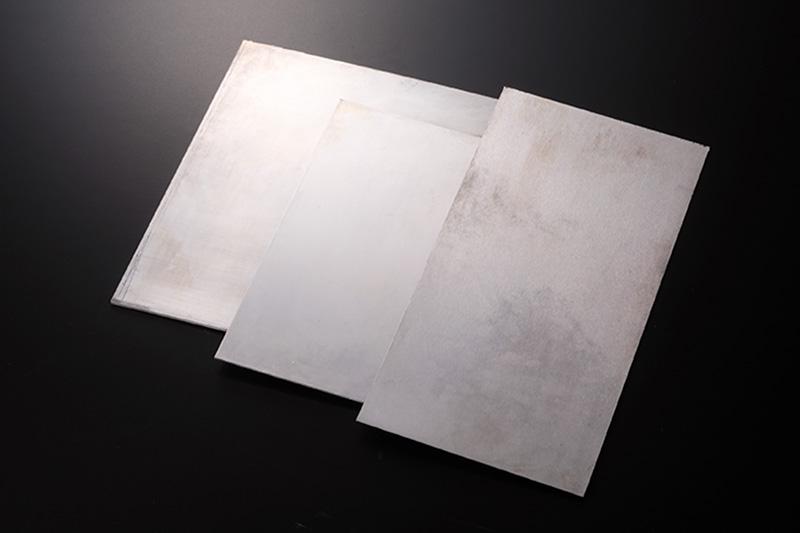
Magnesium alloys are lightweight metallic materials primarily composed of magnesium combined with alloying elements such as aluminum, zinc, manganese, zirconium, and rare-earth metals.
These elements are added to improve mechanical strength, corrosion resistance, castability, and high-temperature performance.
Compared with conventional structural metals, magnesium alloys offer significant weight savings while maintaining useful mechanical properties.
The most commonly used magnesium alloy families include:
AZ Series: Magnesium-aluminum-zinc alloys, such as AZ31B and AZ91D.
AM Series: Magnesium-aluminum-manganese alloys, such as AM60B.
ZK Series: Magnesium-zinc-zirconium alloys, such as ZK60A.
WE Series: Magnesium alloys containing yttrium and rare-earth elements, such as WE43.
Each magnesium alloy grade provides a different combination of strength, ductility, corrosion resistance, and manufacturing characteristics.
For manufacturers producing custom magnesium alloy parts, selecting the correct grade is essential for achieving the required dimensional accuracy, mechanical performance, and service life.
 2. Physical Properties of Magnesium Alloys
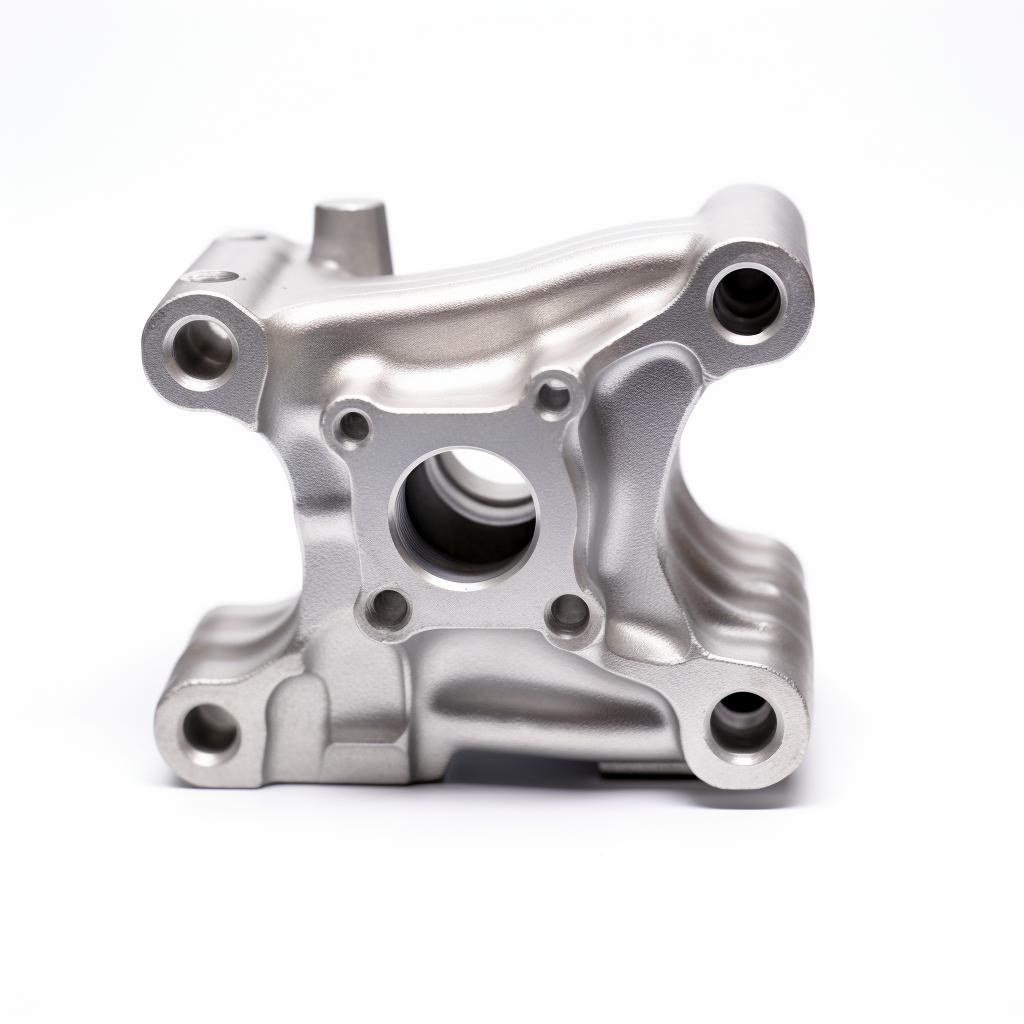
The physical properties of magnesium alloys are particularly important in lightweight product design, thermal management, and precision component manufacturing.
2.1 Low Density and Lightweight Characteristics
One of the most important magnesium alloy properties is its extremely low density.
Most commercial magnesium alloys have a density of approximately 1.74–1.85 g/cm³, making them significantly lighter than aluminum alloys and steel.
Material | Typical Density (g/cm³) | Characteristics |
|---|---|---|
Magnesium Alloy | 1.74–1.85 | Extremely lightweight |
Aluminum Alloy | 2.65–2.80 | Lightweight and versatile |
Titanium Alloy | 4.4–4.5 | High specific strength |
Carbon Steel | 7.8–7.9 | High stiffness and strength |
Copper | 8.9–9.0 | Excellent electrical and thermal conductivity |
Magnesium alloys can reduce component weight by approximately 30–35% compared with aluminum alloys of the same volume.
This weight advantage is especially valuable in aerospace components, automotive assemblies, portable electronic devices, and robotic equipment.
However, component weight reduction should also consider stiffness, strength, and design requirements rather than density alone.
2.2 Thermal Conductivity
Magnesium alloys exhibit useful thermal conductivity, allowing heat to transfer through components during operation.
Depending on the alloy composition and processing condition, thermal conductivity commonly ranges from approximately 50 to 160 W/m·K.
This property supports applications such as electronic housings, lightweight equipment enclosures, and selected thermal management components.
Although magnesium alloys generally conduct heat less efficiently than pure aluminum or copper, they can offer an attractive balance between thermal performance and reduced weight.
2.3 Electrical Conductivity
Magnesium alloys are electrically conductive metallic materials.
Their conductivity is generally lower than that of pure aluminum and copper, but their electrical characteristics can still be useful in certain electronic and industrial applications.
When electrical conductivity is a critical design requirement, engineers should evaluate the specific alloy grade, surface treatment, and contact resistance.
2.4 Thermal Expansion
Magnesium alloys expand and contract as temperature changes.
For many commercial magnesium alloys, the coefficient of thermal expansion is approximately 25–28 × 10⁻⁶/K near room temperature.
This characteristic must be considered when designing precision magnesium alloy components assembled with steel, aluminum, or other materials.
For tight-tolerance CNC machined magnesium parts, temperature control during machining and inspection can help maintain dimensional consistency.
3. Mechanical Properties of Magnesium Alloys
The mechanical properties of magnesium alloys determine their suitability for structural applications, load-bearing components, and precision manufacturing.
3.1 Tensile Strength
Tensile strength describes the maximum tensile stress a material can withstand before fracture.
Common engineering magnesium alloys may have ultimate tensile strengths ranging from approximately 150 to 350 MPa, depending on their composition and processing condition.
Certain specialized alloys and wrought conditions can exceed this range.
For example, wrought magnesium alloys such as AZ31B and ZK60A may provide higher strength than some conventional die-cast magnesium alloys.
3.2 Strength-to-Weight Ratio
Magnesium alloys offer a favorable strength-to-weight ratio, also known as specific strength.
This property is particularly important when engineers need to minimize component mass while maintaining adequate mechanical performance.
Applications include:
Aerospace structural brackets
Automotive lightweight components
Robotic arms and automation equipment
Portable industrial instruments
Precision mechanical housings
However, magnesium alloys have a lower elastic modulus than aluminum alloys and steel. Therefore, structural stiffness must be carefully evaluated when replacing heavier metals.
3.3 Hardness and Wear Resistance
The hardness of magnesium alloys depends on alloy composition, heat treatment, and manufacturing process.
Although magnesium alloys can provide adequate hardness for many structural applications, their surface wear resistance may be insufficient for components exposed to repeated friction or abrasion.
Surface treatments and protective coatings can improve wear performance in selected applications.
3.4 Vibration Damping Capacity
Magnesium alloys are recognized for their favorable vibration damping characteristics.
Their ability to dissipate vibrational energy can help reduce noise and vibration in mechanical systems.
This makes them useful for electronic equipment housings, automotive components, and certain precision machinery structures.
Actual damping performance depends on alloy grade, microstructure, operating temperature, and loading conditions.
4. Chemical Properties and Corrosion Resistance of Magnesium Alloys
Magnesium is a chemically reactive metal, and corrosion behavior is an important consideration when selecting magnesium alloys for industrial applications.
4.1 Corrosion Resistance
Magnesium alloys can be susceptible to corrosion, particularly in environments containing moisture, chloride ions, or contact with more noble metals.
Galvanic corrosion may occur when magnesium components are electrically connected to dissimilar metals in the presence of an electrolyte.
Corrosion resistance depends on several factors, including alloy composition, impurity levels, surface condition, and operating environment.
Modern high-purity magnesium alloys can provide improved corrosion performance compared with older materials, but protective measures may still be necessary.
4.2 Surface Treatment Options
Several surface treatment processes can improve the durability and appearance of machined magnesium alloy parts.
Surface Treatment | Main Function | Typical Applications |
|---|---|---|
Anodizing | Protective oxide coating | Industrial components |
Micro-Arc Oxidation | Hard ceramic-like surface layer | Wear-resistant components |
Chemical Conversion Coating | Corrosion protection and paint adhesion | Electronic housings |
Electroless Nickel Plating | Wear and corrosion protection | Precision mechanical parts |
Painting | Decorative and protective finish | Consumer products |
Protective Polymer Coating | Environmental protection | Outdoor equipment |
Surface treatment selection should consider component geometry, dimensional tolerances, corrosion requirements, and the intended operating environment.
5. Common Magnesium Alloy Grades and Their Properties
Different magnesium alloy grades are developed to meet specific engineering and manufacturing requirements.
Magnesium Alloy | Main Characteristics | Typical Applications |
|---|---|---|
AZ31B | Good formability and moderate strength | Sheet components, housings, Machined Parts |
AZ91D | Excellent castability and good general-purpose properties | Die-cast housings, automotive components |
AM60B | Good ductility and impact resistance | Automotive structural components |
ZK60A | Relatively high strength in suitable wrought conditions | Aerospace and mechanical components |
WE43 | Good elevated-temperature performance and useful corrosion resistance | Aerospace and high-performance engineering |
AZ31B Magnesium Alloy
AZ31B is widely used in wrought magnesium products, including sheets, plates, and extrusions.
It provides a useful combination of lightweight characteristics, formability, and machinability.
AZ31B is suitable for precision CNC machining of brackets, housings, and lightweight structural components.
AZ91D Magnesium Alloy
AZ91D is one of the most commonly used die-casting magnesium alloys.
It offers good casting performance and dimensional stability for many general-purpose components.
Machining is often performed after casting to achieve accurate mounting surfaces, holes, and assembly features.
ZK60A Magnesium Alloy
ZK60A is a magnesium-zinc-zirconium alloy known for its relatively high strength in appropriate wrought and heat-treated conditions.
It is commonly considered for applications where lightweight construction and mechanical strength are important.
For precision Magnesium Alloy Machining, the material condition and component design should be evaluated before selecting cutting parameters.
6. Advantages and Disadvantages of Magnesium Alloys
Understanding the advantages and limitations of magnesium alloys helps engineers determine whether they are suitable for a specific manufacturing project.
Advantages | Disadvantages |
|---|---|
Extremely low density | Lower stiffness than aluminum and steel |
Favorable strength-to-weight ratio | Corrosion protection may be required |
Excellent CNC machinability | Fine chips and dust require fire precautions |
Good vibration damping | Limited room-temperature formability in some grades |
Useful thermal conductivity | Some alloys lose strength at elevated temperatures |
Suitable for lightweight components | Material and processing availability varies by grade |
For many industrial applications, magnesium alloys provide substantial weight-saving benefits.
However, successful component manufacturing requires careful material selection, appropriate machining procedures, and suitable surface protection.
7. How Do Magnesium Alloy Properties Affect CNC Machining?
One of the major advantages of magnesium alloys is their excellent machinability.
Compared with many steels and titanium alloys, magnesium alloys generally require lower cutting forces and can support efficient material removal.
This makes CNC machining magnesium alloys an attractive manufacturing method for lightweight precision components.
7.1 CNC Milling of Magnesium Alloys
CNC milling is widely used to manufacture magnesium alloy housings, brackets, frames, and complex mechanical components.
Magnesium alloys typically allow efficient cutting operations when suitable tools and machining parameters are selected.
Common CNC milling operations include:
Face milling
Pocket milling
Slot milling
Contour milling
Precision drilling and tapping
For thin-walled magnesium components, engineers must also consider clamping pressure, vibration, and dimensional distortion.
7.2 CNC Turning of Magnesium Alloys
CNC turning is suitable for producing cylindrical magnesium alloy components such as shafts, sleeves, spacers, and precision mechanical parts.
The relatively low cutting resistance of magnesium alloys can support efficient turning operations.
Tool geometry, chip control, and workholding remain important for maintaining dimensional accuracy and surface quality.
7.3 Machining Safety Considerations
Although magnesium alloys offer excellent machinability, machining operations require specific safety precautions.
Fine magnesium chips and dust can present fire and explosion hazards if improperly controlled.
Manufacturers should use suitable chip collection systems, control ignition sources, avoid accumulation of fine combustible particles, and establish magnesium-specific fire prevention procedures.
Machining fluids and fire extinguishing systems must be compatible with magnesium processing. Water or ordinary extinguishing agents should not be used on burning magnesium.
For additional technical information, readers can explore our guide: How to Machine Magnesium.
8. Applications of Magnesium Alloys in Modern Manufacturing
The combination of lightweight properties, machinability, and useful mechanical performance makes magnesium alloys suitable for various industrial applications.
Aerospace Industry
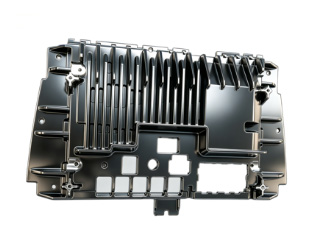
Magnesium alloys are used in selected aircraft housings, brackets, and lightweight structural components where material qualification and service conditions permit.
Automotive Industry
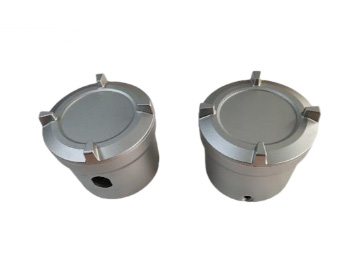
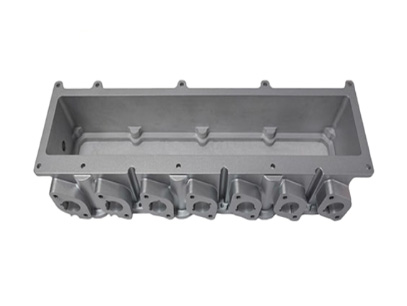
Automotive manufacturers use magnesium alloys in steering wheel structures, seat frames, housings, and selected lightweight assemblies to reduce vehicle weight.
Electronics Industry
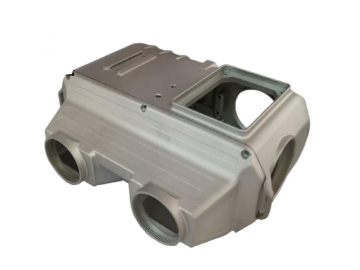
Magnesium alloy components are used in laptop housings, camera bodies, portable equipment, and electronic enclosures because of their low weight and electromagnetic shielding potential.
Industrial Automation
Precision machined magnesium alloy parts can be used in robotic systems, automation equipment, lightweight fixtures, and mechanical assemblies.
9. Why Choose CNC Machining for Custom Magnesium Alloy Parts?
CNC machining provides a flexible manufacturing solution for producing custom magnesium alloy components with complex geometries and controlled dimensions.
Unlike conventional casting processes, CNC machining can manufacture parts directly from suitable magnesium alloy stock, making it useful for prototypes, low-volume production, and selected precision components.
Precision and Dimensional Control
Modern CNC machining equipment can produce complex magnesium alloy geometries with controlled dimensional accuracy.
Actual tolerances depend on component size, geometry, material condition, machine capability, and inspection requirements.
Complex Component Manufacturing
CNC machining supports the production of detailed features, including mounting holes, pockets, threaded connections, and intricate structural profiles.
This makes it suitable for custom magnesium alloy parts used in electronics, aerospace, and industrial equipment.
Flexible Production Quantities
CNC machining can support prototype development, small-batch manufacturing, and larger production programs.
Manufacturers can modify machining programs and tooling strategies according to design changes and customer requirements.
Surface Finishing Options
Machined magnesium alloy components can receive additional surface treatments to improve corrosion resistance, appearance, and functional performance.
The most appropriate finishing process should be selected according to the application and dimensional requirements.
 10. Custom Magnesium Alloy CNC Machining Services
Selecting an experienced Magnesium Alloy Machining manufacturer is important for achieving consistent component quality and reliable manufacturing performance.
A professional manufacturing partner should be able to evaluate material selection, part geometry, machining feasibility, and surface finishing requirements before production.
For custom magnesium alloy machining projects, the manufacturing process generally includes:
Step 1 — Drawing and Material Review
Review technical drawings, 3D models, alloy grades, and tolerance requirements.
Step 2 — Machining Process Planning
Select appropriate cutting tools, machining methods, workholding, and safety procedures.
Step 3 — CNC Machining and Finishing
Manufacture magnesium alloy components and apply required surface treatments.
Step 4 — Inspection and Delivery
Verify dimensions and surface quality against agreed specifications before shipment.
For OEM and custom magnesium alloy projects, customers should provide material specifications, CAD drawings, required quantities, surface finishing requirements, and relevant inspection standards.
These details help manufacturers evaluate machining feasibility and prepare accurate quotations.
11. Frequently Asked Questions About Magnesium Alloy Properties
What is the most important property of magnesium alloys?
The most distinctive property of magnesium alloys is their low density. Their lightweight characteristics make them attractive for applications where reducing component mass is a priority.
Are magnesium alloys stronger than aluminum alloys?
Not necessarily. Some magnesium alloys offer favorable specific strength, but many aluminum alloys provide higher absolute strength and stiffness. The comparison depends on the specific grades and material conditions.
Are magnesium alloys easy to machine?
Yes. Magnesium alloys generally offer excellent machinability and relatively low cutting resistance. However, machining operations require appropriate chip management and fire safety procedures.
What is the density of magnesium alloys?
Most commercial magnesium alloys have densities of approximately 1.74–1.85 g/cm³, depending on their composition.
Do magnesium alloys corrode easily?
Magnesium alloys can be susceptible to corrosion, particularly in chloride-containing environments or when galvanically coupled with dissimilar metals. Suitable alloy selection and protective surface treatments can improve corrosion performance.
Which magnesium alloy is best for CNC machining?
AZ31B, AZ91D, and ZK60A are among the magnesium alloys that may be considered for machining applications. The best choice depends on strength, component geometry, material availability, and operating requirements.
Can magnesium alloys be anodized?
Yes. Magnesium alloys can undergo specialized anodizing or micro-arc oxidation treatments. These processes differ from conventional aluminum anodizing and require magnesium-compatible procedures.
What industries use magnesium alloy CNC machined parts?
Common applications include aerospace, automotive, electronics, robotics, industrial automation, and precision mechanical equipment.
The properties of magnesium alloys, including low density, favorable strength-to-weight ratio, excellent machinability, vibration damping, and useful thermal conductivity, make them valuable materials for modern engineering applications.
However, material selection should also consider corrosion resistance, structural stiffness, operating temperature, and manufacturing safety.
For companies developing lightweight industrial components, custom magnesium alloy CNC machining offers a practical approach to producing complex geometries, precision features, and application-specific parts.
Working with an experienced magnesium alloy machining manufacturer can help ensure that material selection, machining processes, surface treatments, and inspection requirements are aligned with the intended application.


